IPTV Merchant Account

Merchant Account for IPTV Businesses [Instant Approval]

Opening a merchant account for a licensed IPTV business through 2Accept connects content-licensed carriers, foreign-language IPTV operators with sub-distribution agreements, B2B hospitality IPTV vendors, niche channel aggregators, and IPTV middleware platforms to acquiring banks that explicitly underwrite MCC 4899, MCC 5815, MCC 5968, and MCC 7372 — without the freezes, holds, and sudden terminations that aggregators like Stripe Billing, Square, and PayPal issue the moment they see “IPTV” in your business description and assume piracy by default. The catch: 2Accept only underwrites IPTV operators with written content licensing dossiers. Pirate IPTV — services distributing stolen sports broadcasts, ripped premium content, or unlicensed channel feeds — is not underwritten on any tier, in any jurisdiction, under any rolling-reserve structure. Anti-piracy compliance is the first screening question.

The process of opening an IPTV merchant account with 2Accept takes four steps. First, complete the online application with your EIN, Articles of Incorporation, last three months of bank and processing statements, and — most importantly — your full content licensing dossier: written carriage agreements with each rights-holder whose channels you distribute, DMCA designated-agent registration with the U.S. Copyright Office, your DRM coverage map (Widevine, FairPlay, PlayReady) by SKU, and your takedown-response SLA. Second, a dedicated IPTV underwriter reviews your licensing posture, billing model, anti-piracy compliance, and chargeback history within one business hour. Third, you receive your MID and integrate via Chargebee, Recurly, Maxio, Zuora, or direct REST API after signing the merchant processing agreement. Fourth, you go live in 48 hours with Account Updater, intelligent dunning, chargeback alerts, dynamic descriptors, and multi-MID load balancing built into the account.

Rates for a licensed IPTV merchant account on 2Accept start at 3.49% for clean B2B hospitality IPTV contracts and consumer vMVPDs with full licensing dossiers and chargeback ratios under 0.9%, and run higher for foreign-language consumer operators with elevated continuity-billing dispute history or PPV-heavy sports add-on mixes with blackout-period disputes above the category baseline. Pricing depends on monthly volume, average ticket size, chargeback ratio, billing model (pure continuity vs. annual hospitality contract vs. middleware enterprise license), whether your licensing dossier covers premium sports content (which adds blackout-dispute exposure), and whether you operate domestic-only or need offshore acquiring with multi-currency settlement for diaspora-subscriber populations in the EU, U.K., Canada, and APAC.
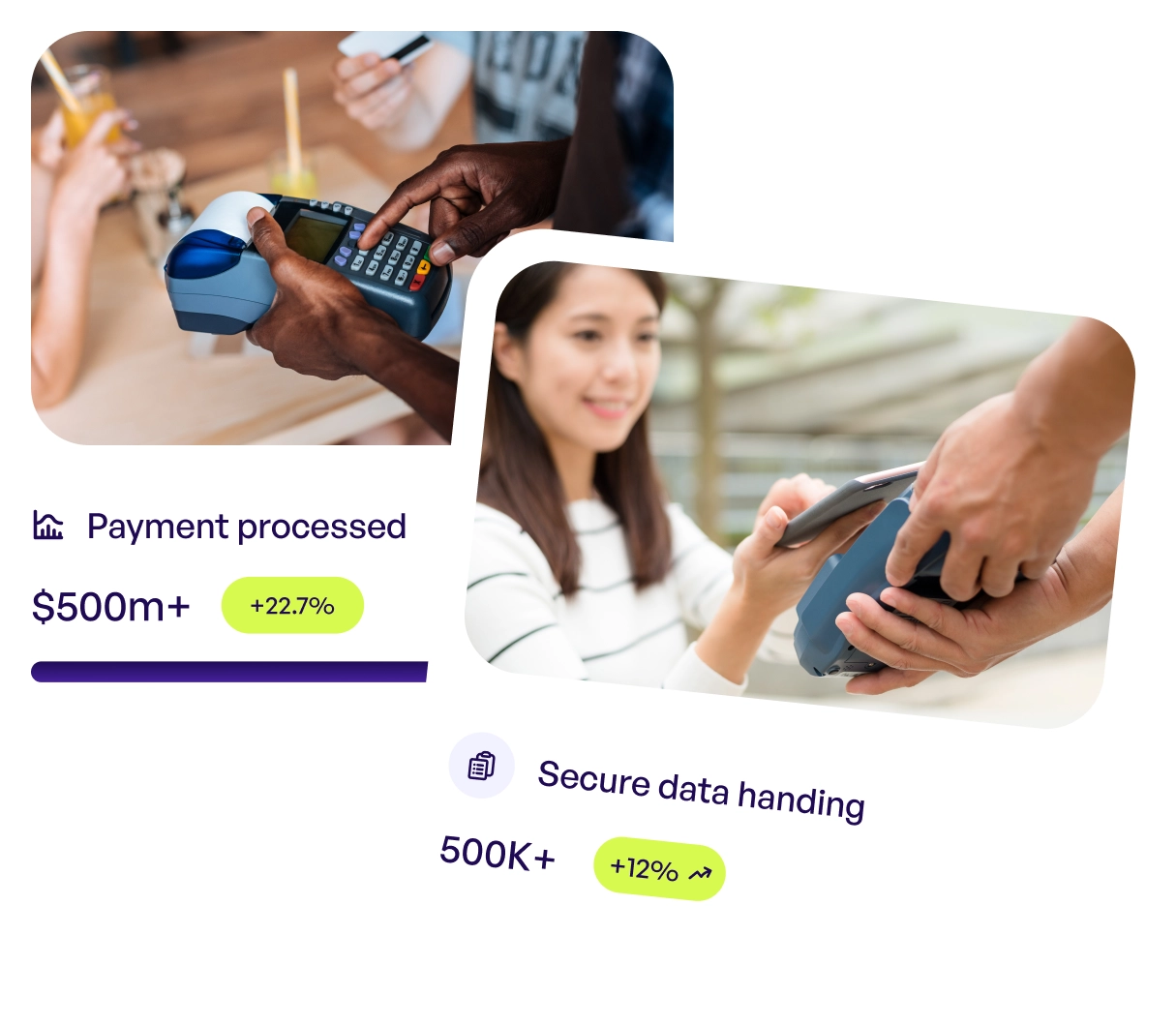
48h
Average approval
98%
Approval rate
40+
Acquiring banks
$2B+
Processed yearly

Apply for a merchant account

Free underwriting review. No application fee.

Phone number
SSL encrypted. No credit pull. Soft underwriting review only.
Industries we underwrite

Everything 2Accept handles for licensed IPTV merchants

Every dimension below covers what licensed IPTV operators typically evaluate when choosing a payment processor. 2Accept's IPTV underwriting desk approves the carriers, business models, content-licensing configurations, and subscription-billing structures listed here — but only after verifying content rights agreements with the rights-holders you carry. Unlicensed pirate IPTV operators are not underwritten under any circumstance: anti-piracy compliance is the first screening question and the disqualifier for the majority of inbound IPTV applications.

Licensed IPTV Services We Approve

Licensed IPTV services covered by 2Accept

2Accept underwrites the legitimate end of the IPTV market — content-licensed carriers and aggregators that hold written agreements with the rights-holders whose channels and on-demand catalogs they distribute. Sling TV-style virtual MVPDs with Disney, ESPN, Warner Bros. Discovery, and NBCUniversal carriage deals are squarely in scope. So are foreign-language IPTV operators carrying Bollywood content under written sub-licensing deals with Indian distributors, MENA-region operators with Arabic-language linear channel agreements, and Latin American sports-rights aggregators carrying Liga MX or Brazilian Série A under licensed sub-distribution.

Anti-piracy compliance is reviewed at the SKU level. Each carried channel, on-demand title, or live sports feed is checked against the licensing dossier the merchant supplies during onboarding. Pirate IPTV — operators distributing stolen sports broadcasts, ripped premium content, or content held without written rights agreements — is rejected at first screening regardless of the storefront polish or claimed monthly volume. MCC placement defaults to 4899 (cable / satellite / pay TV services) for consumer linear IPTV, with MCC 5815 (digital goods — media) used for on-demand catalog billing, MCC 5968 (continuity / subscription) for monthly recurring access, and MCC 7372 (computer software) for IPTV middleware platforms billing on a SaaS cadence.

Apply for a Licensed IPTV Services We Approve MID

Approved Licensed IPTV Categories

  • Virtual MVPD / vMVPD (Sling-style)MCC 4899 (rights audited)
  • Foreign-Language IPTV (with licensing)MCC 4899 / 5815
  • Niche Channel Aggregators (religious, hyperlocal)MCC 4899 / 5968
  • B2B Hospitality IPTV (hotels, hospitals)MCC 4899 / 5968
  • IPTV Middleware / Streaming SaaSMCC 7372
  • Set-Top Box Hardware (legitimate)MCC 5732 / 5815
IPTV Business Models

IPTV business models we underwrite

Licensed IPTV operators come in four primary business-model configurations. Consumer subscription IPTV — the vMVPD or foreign-language carrier billing end-users a monthly fee for live linear channels plus an on-demand library — is the largest category by transaction volume and the one most heavily scrutinized for content licensing. B2B hospitality IPTV — the operator supplying linear-plus-VOD packages to hotel chains, hospitals, cruise lines, senior living, and corporate housing — is one of the cleanest categories from an underwriting perspective because the customer is a verified commercial entity rather than an anonymous card-on-file consumer. Niche IPTV aggregators — religious channel bundles, hyperlocal news consortiums, foreign-language packages for diaspora communities — typically combine consumer subscription with a smaller licensing dossier focused on a single rights-holder or content vertical. IPTV middleware platforms — the SaaS infrastructure that other IPTV operators license to power their own services — are underwritten as software companies under MCC 7372.

Whether your IPTV service bills monthly continuity, annual prepay, pay-per-event for premium live content, or a hybrid of recurring base subscription plus PPV add-ons, the MID is structured to support the billing cadence with tokenized vault storage, Account Updater for expired-card replacement, intelligent dunning retries, and proration for mid-cycle plan changes. Free-trial-to-paid IPTV funnels get extra scrutiny because the dispute exposure is elevated — the underwriter audits trial-end notification cadence, ROSCA cancellation symmetry, and the channel-licensing dossier in the same review pass.

Apply for a IPTV Business Models MID

Approved Business Configurations

  • Consumer Subscription IPTV (licensed)Approved with rights dossier
  • B2B Hospitality IPTV (hotels, healthcare)Approved (commercial counterparty)
  • Niche / Foreign-Language AggregatorsApproved with sub-licensing proof
  • IPTV Middleware / Streaming SaaSApproved (MCC 7372)
  • PPV / Live Event Add-OnsSupported (with event rights)
  • Pirate / Unlicensed IPTVNot underwritten
Content Licensing, DMCA & Anti-Piracy

Compliance handling for licensed IPTV merchants

IPTV sits at the intersection of card-network policy, U.S. and international copyright law, FCC regulation on retransmitted broadcast content, and the rights-holder enforcement coalitions (the MPA's ACE alliance, the Premier League's anti-piracy unit, ESPN's content-protection team, and the Alliance for Creativity and Entertainment). 2Accept's IPTV underwriting desk audits your compliance posture at onboarding: written content licensing agreements with each rights-holder you carry, DMCA designated-agent registration with the U.S. Copyright Office, takedown-response procedures, DRM coverage (Widevine for Chrome/Android, FairPlay for Apple, PlayReady for Microsoft and smart TVs) on every premium SKU, ICANN-compliant domain registration that won't trigger registrar-level seizure, and FCC compliance for any over-the-air broadcast retransmission.

Missing or weak licensing documentation is the #1 cause of first-pass rejection on IPTV applications. Operators who present strong storefront polish but cannot produce written carriage agreements are screened out before underwriter review. We catch the gaps before submission and decline to submit applications we cannot defend to the acquiring bank — protecting both the merchant from a MATCH listing and the acquirer relationship from rights-holder complaints that would put the entire IPTV book at risk. Pirate IPTV is not underwritten on any tier, in any jurisdiction, under any rolling-reserve structure.

Apply for a Content Licensing, DMCA & Anti-Piracy MID

Compliance Frameworks Covered

  • Written Content Licensing AgreementsRequired per rights-holder
  • DMCA Designated Agent RegistrationRequired at U.S. Copyright Office
  • DRM Coverage (Widevine/FairPlay/PlayReady)Required on premium SKUs
  • MPA ACE / ACE Coalition AwarenessMonitored at underwriting
  • Takedown Response ProceduresSLA documented at onboarding
  • FCC Compliance (Broadcast Retrans)Required where applicable
Subscription Billing, DRM & STB

Payment features for licensed IPTV merchants

IPTV billing is overwhelmingly subscription — monthly continuity on consumer vMVPDs and niche aggregators, monthly per-room billing on B2B hospitality contracts, and annual or quarterly enterprise contracts on middleware-platform licensing. 2Accept IPTV MIDs ship with a tokenized PCI Level 1 vault, Account Updater enrolled on Visa, Mastercard, and Amex, and an intelligent dunning engine that retries soft declines on a 1-3-5-7 day curve. Pre-rebill notification emails (NRR-compliant on applicable MCCs) reduce continuity-billing friendly fraud on consumer IPTV subscriptions by 20–30%.

Set-top-box hardware sales are billed under MCC 5732 or 5815 depending on whether the STB is sold standalone or bundled with a subscription activation. DRM enforcement at the SKU level — every premium-content title gated by Widevine/FairPlay/PlayReady — is checked at onboarding because acquirers treat unprotected premium content streams as a piracy red flag. Multi-currency settlement (USD, EUR, GBP, CAD, AUD, JPY) is available on offshore MIDs for foreign-language IPTV operators serving diaspora subscribers in the EU, U.K., Canada, and APAC.

Apply for a Subscription Billing, DRM & STB MID

Supported Payment Capabilities

  • Tokenized Card Vault (PCI Level 1)Included
  • Account Updater (Visa/MC/Amex)Included
  • Intelligent Dunning Retries1-3-5-7 day curve
  • Pre-Rebill Notifications (NRR)Automated on MCC 5968
  • Multi-Currency SettlementUSD, EUR, GBP, CAD, AUD, JPY
  • 3DS 2.0 AuthenticationStandard on all CNP
IPTV Platform Integrations

Platform & gateway integrations for IPTV stacks

Most licensed IPTV operators run on a dedicated subscription-billing platform — Chargebee, Recurly, Maxio, or Zuora — sitting in front of a custom IPTV middleware backend that handles channel-line-up management, DRM key issuance, and STB provisioning. 2Accept ships native gateway connectors for all the major subscription-billing platforms so a licensed IPTV operator already running Chargebee or Recurly can swap acquiring banks in a one-click connector change without re-integrating the billing engine.

For custom-built IPTV billing stacks — especially the middleware vendors who power other operators' IPTV services — integration is through REST API with full webhook coverage for subscription lifecycle events (created, renewed, payment failed, paused, cancelled, reactivated, plan-changed). Stripe Billing migrators get a one-click data-export tool that ports customers, subscriptions, and tokenized cards to the new MID without forcing IPTV subscribers to re-enter their card details — critical because forced re-card-entry on an IPTV subscription base typically destroys 30%+ of the active subscriber book

Apply for a IPTV Platform Integrations MID

Native Integration Support

  • ChargebeeNative gateway
  • RecurlyNative gateway
  • Maxio (Chargify / SaaSOptics)Native gateway
  • ZuoraNative gateway
  • Authorize.net / NMIDirect gateway
  • Custom REST API + WebhooksFull developer docs
IPTV Chargeback Defense

Risk defense for IPTV chargeback exposure

Licensed IPTV chargeback ratios cluster around four failure modes: blackout-period disputes ("I couldn't watch the game" when a regional sports blackout or league-mandated restriction blocks a subscriber from the content they expected), service-expectation gap ("this isn't the channel line-up I thought I was getting" when carriage drops a popular channel mid-subscription), continuity-billing friendly fraud ("I forgot I signed up" on a recurring rebill), and cancellation friction ("I tried to cancel but couldn't" on a non-symmetric cancel flow). 2Accept's stack addresses each of these — Ethoca and Verifi alerts catch disputes 24–72 hours pre-post, dynamic billing descriptors with the customer-facing IPTV brand name plus support phone reduce "I don't recognize this charge" disputes by 40%+, pre-rebill notification emails reduce continuity-billing friendly fraud by 20–30%, and ROSCA-compliant click-to-cancel flows eliminate the cancellation-friction dispute category entirely.

Representment win rates on IPTV friendly fraud run ~55%+ when the compelling-evidence package includes signed sign-up consent with channel line-up disclosure, login activity and stream-session logs, pre-rebill notification email send record, cancellation-flow screenshots, and where applicable the blackout-disclosure language the subscriber accepted at sign-up. For high-volume IPTV operators, multi-MID cascading distributes volume across 2–5 accounts so no single MID exceeds Visa's VAMP threshold or Mastercard's ECM threshold (1.5%). 3DS 2.0 on initial card-on-file authorization shifts fraud liability to the issuer for subsequent merchant-initiated IPTV rebills.

Apply for a IPTV Chargeback Defense MID

Risk & Chargeback Tools Included

  • Ethoca Chargeback AlertsIncluded (Mid/Top tier)
  • Verifi CDRN AlertsIncluded (Mid/Top tier)
  • Pre-Rebill NRR NotificationsAutomated
  • Dynamic Billing DescriptorsIncluded
  • Stream-Session Activity LogsCaptured for representment
  • Multi-MID CascadingSupported (2–5 MIDs)
Pricing Tiers

High risk processing rates, published up front

Every high risk merchant account is priced by risk tier. Your vertical, volume, and chargeback ratio determine which tier underwrites you. Rates are average and may vary depending on individual circumstances and risk profile. Interchange may be passed to merchants for more challenging approvals

Low-Tier High Risk
2.89%
+ $0.20

Subscription · SaaS · Coaching · Digital

  • Domestic U.S. MID
  • Next-day funding
  • 0–10% rolling reserve
  • Free gateway integration
  • Account updater included
Apply
Most Approved
Mid-Tier High Risk
3.49%
+$0.25

CBD · Peptides · Telehealth · Vape · Dating · Travel

  • Domestic or offshore MID
  • Chargeback alerts (Ethoca + Verifi)
  • 0-10% rolling reserve
  • Dedicated underwriter
  • MATCH-list considered
  • Multi-MID load balancing
Apply
Top-Tier High Risk
4.95%
+$0.30

Adult · Firearms · Crypto · Gaming

  • Offshore acquiring
  • AEP / MSB registration support
  • 0-10% rolling reserve
  • 3DS 2.0 authentication
  • Descriptor optimization
  • Cascading across 3+ MIDs
Apply
How It Works

From application to live processing in 4 steps

01

Apply Online

Complete the 4-minute application. No credit pull, no application fee, no long-term contract.

02

Meet Your Underwriter

A 2Accept underwriter reviews your business model, volume, and documents within 1 business hour.

03

Go Live in 48 Hours

Sign your MPA, receive your MID, and integrate via gateway API, hosted checkout, or Shopify.

04

Scale Safely

Grow with chargeback alerts, fraud scoring, and multi-MID load balancing as your volume scales.

2Accept vs Aggregators

Why a dedicated MID beats Stripe, Square, and PayPal

Aggregators pool thousands of merchants under one master account. When any single MCC trips a threshold, entire verticals get frozen. A dedicated MID from 2Accept belongs to your business alone.

Feature 2ACCEPTStripeSquarePayPal
CBD / Hemp approved
Vape / E-cig approved
Firearms / Ammo approved
Dedicated MID (not aggregator)
MATCH-list merchants considered
Human underwriter (not chatbot)
Multi-MID load balancing
Risk Management

Keep your MID alive with built-in chargeback defense

Every 2Accept high risk merchant account includes the monitoring and mitigation stack required to stay under Visa's 1.0% chargeback threshold.

Chargeback Alerts

Ethoca and Verifi CDRN integrations catch disputes before they post, letting you refund pre-chargeback and protect your ratio.

Fraud Scoring

Kount, Sift, and NoFraud rules block velocity attacks, BIN testing, and stolen-card fraud in real time at authorization.

3DS 2.0 Authentication

3D Secure shifts liability to the issuer on authenticated transactions, eliminating fraud-based chargebacks on compliant checkouts.

Representment

Our dispute team files compelling evidence packages against friendly fraud and product-not-received disputes, recovering revenue within 45 days.

Multi-MID Load Balancing

Split volume across 2–5 MIDs via our cascading gateway to stay under per-MID caps and maintain chargeback ratios on every account.

Descriptor Optimization

Dynamic billing descriptors matched to your brand lower “I don't recognize this charge” disputes by 40%+.

Real businesses, real approvals

What merchants say

“After Stripe terminated us for selling CBD gummies, 2Accept had us live in 48 hours on a domestic MID. Zero freezes in 18 months.”

SL

Sarah L. Founder, 

CBD E-commerce Brand

“I tried four processors for my FFL store. 2Accept was the only one that understood MCC 5999 and got my ammo transactions approved.”

MR

Michael R. , 

Owner, Firearms Retailer

“Our subscription box was flagged by Square for 'high chargeback volume.' 2Accept's Ethoca alerts dropped our ratio to 0.3% in one month.”

MR

Michael R. , 

Firearms Retailer

What It Is

What is an IPTV merchant account?

An IPTV merchant account is a specialized payment processing account that acquiring banks issue to licensed IPTV carriers, foreign-language IPTV operators with written sub-distribution agreements, B2B hospitality IPTV vendors, niche channel aggregators, and IPTV middleware platforms — designed to handle the elevated chargeback exposure (blackout-period disputes, service-expectation gaps, continuity-billing friendly fraud), the rights-holder enforcement risk that piracy concerns drive across the entire industry, and the recurring-billing infrastructure that aggregators like Stripe Billing, Square, and PayPal refuse to underwrite for any service whose business name contains the letters "IPTV."

The account permits card-on-file rebilling across monthly, quarterly, and annual cadences with tokenized vault storage, Account Updater enrollment, intelligent dunning retries, dynamic billing descriptors, and pre-rebill subscriber notifications — and it operates under tailored underwriting terms that include written content-licensing verification at onboarding, 0%–10% rolling reserves, NRR-compliant consent and notification audits, FTC ROSCA cancellation-flow review, and discount rates between 3.49% and 4.95%. Pirate IPTV operators are not underwritten.

An IPTV business gets a high-risk classification for reasons that go beyond standard subscription scrutiny. Piracy is the dominant industry risk: the share of pirate IPTV services in the global market is large enough that acquiring banks treat every inbound "IPTV" application as guilty until proven licensed. Acquirers run name-matching against the MPA's ACE coalition watchlists, the Alliance for Creativity and Entertainment enforcement targets, and Premier League and UEFA anti-piracy referrals before they will even review the merchant's documentation. Even after the operator clears the piracy screen, the residual chargeback exposure is structurally elevated: blackout-period disputes when regional sports restrictions block a subscriber from a game they thought they bought access to, service-expectation gaps when a channel drops out of the carriage line-up mid-subscription, continuity-billing friendly fraud on monthly rebills, and cancellation-friction disputes when a subscriber tries to leave. MCC 4899 (cable / satellite / pay TV services), MCC 5815 (digital goods — media), MCC 5968 (continuity / subscription services), and MCC 7372 (computer software / SaaS for middleware) are all on the restricted MCC list and require explicit acquirer approval.

Opening a licensed IPTV merchant account differs from opening a standard low-risk account in three ways. First, underwriting takes 3 to 7 business days rather than instant approval, because the acquirer reviews your content licensing dossier carriage-agreement by carriage-agreement, validates DMCA designated-agent registration, checks DRM coverage by SKU, and runs anti-piracy watchlist matching. Second, pricing typically ranges from 3.49% to 4.95% rather than the 2.6%–2.9% flat rate aggregators offer, because the acquirer absorbs additional dispute exposure on blackout and continuity-billing disputes and additional regulatory exposure on rights-holder enforcement. Third, the account issues a dedicated MID that belongs exclusively to your IPTV business — Account Updater is enrolled in your name, the billing descriptor is yours, and the MID cannot be terminated for serving the licensed-IPTV vertical the MID was approved to serve. Pirate IPTV applications are screened out before underwriter review and never reach the acquirer.

2Accept underwrites licensed IPTV merchant accounts for content-licensed consumer carriers (Sling-style vMVPDs and their foreign-language equivalents), B2B hospitality IPTV vendors serving hotels and healthcare, niche channel aggregators (religious channel bundles, hyperlocal news consortiums, diaspora-community foreign-language packages), legitimate sports streaming aggregators with rights-holder sub-distribution deals, IPTV middleware platforms powering other operators' services, and set-top box manufacturers selling legitimate hardware. Applications are reviewed by a dedicated IPTV underwriter within one business hour, approved in 3 to 7 business days depending on licensing complexity, and integrated through Chargebee, Recurly, Maxio (formerly Chargify), Zuora, or direct REST API with full webhook coverage for subscription lifecycle events after signing the merchant processing agreement.

Common types of licensed IPTV merchants we underwrite

  Acquiring banks segment IPTV merchants by what they distribute, who they license it from, and how the billing is structured. The licensed IPTV verticals 2Accept underwrites most often are:
  • Foreign-language IPTV with sub-licensing —  — MCC 4899 / 5815, operators carrying Bollywood, MENA Arabic-language, Latin American Spanish/Portuguese, East Asian, or other foreign-language content under written sub-distribution agreements with the in-territory rights-holders
  • Set-top box hardware manufacturers —  — MCC 5732 / 5815, hardware vendors selling legitimate STBs with manufacturer warranties and no preloaded pirate firmware
  • Legitimate sports streaming aggregators —  — MCC 4899 / 5815, operators with rights-holder sub-distribution deals for specific leagues (Liga MX, Brazilian Série A, niche European leagues, individual-sport federations) and clear blackout-disclosure language
  • Content-licensed consumer vMVPDs —  — MCC 4899, virtual MVPDs (Sling-style) carrying major U.S. networks under written carriage deals with Disney, ESPN, Warner Bros. Discovery, NBCUniversal, Paramount Global, and other rights-holders
  • IPTV middleware / streaming SaaS platforms —  — MCC 7372, software vendors selling the streaming infrastructure (channel-line-up management, DRM key issuance, STB provisioning, billing integration) that other IPTV operators license to power their services
  • Niche channel aggregators —  — MCC 4899 / 5968, religious channel bundles (Christian, Islamic, Hindu), hyperlocal news consortiums, hobby/interest packages (cooking, fishing, motorsport) with single-rights-holder or narrow-portfolio licensing dossiers
  • B2B hospitality IPTV —  — MCC 4899 / 5968, vendors supplying linear-plus-VOD packages to hotels, hospitals, cruise lines, senior living, corporate housing, and other commercial properties under commercial-licensing agreements that differ from consumer licensing

Advantages of a licensed-IPTV-specific merchant account

  A dedicated licensed-IPTV merchant account gives you advantages that no payment aggregator can match, because the account is underwritten by an acquiring bank that explicitly approves content-licensed IPTV carriers, B2B hospitality IPTV, and IPTV middleware platforms after reviewing the carriage-agreement dossier:
  • Account Updater in your name —  — Visa, Mastercard, and Amex automatically refresh stored card numbers when issuers reissue cards, cutting involuntary churn on the IPTV subscriber base by 7–12%
  • Human IPTV underwriters —  — understand vMVPD carriage agreements, MPA ACE coalition enforcement, DRM coverage requirements, hospitality commercial licensing, and middleware SaaS billing; not chatbots that block the word "IPTV" reflexively
  • Dedicated MID for licensed IPTV billing —  — belongs to your business alone, not shared in an aggregator pool that gets frozen the moment any pirate IPTV merchant in the pool triggers a rights-holder complaint
  • Higher monthly volume caps —  — $500K+ on domestic licensed IPTV accounts vs. $25K–$50K aggregator ceilings before forced review of your continuity-billing book
  • Intelligent dunning retries —  — 1-3-5-7 day retry curve on soft declines with optional cascade to backup card-on-file, recovering 30–40% of would-be involuntary churn on monthly IPTV rebills
  • Pre-rebill NRR notifications —  — automated subscriber notification before each rebill on MCC 5968 IPTV continuity, reducing "I forgot I signed up" friendly fraud by 20–30%
  • Native subscription platform integrations —  — Chargebee, Recurly, Maxio, and Zuora all ship as native gateway connectors so swapping the acquiring bank behind your IPTV billing engine is a one-click change
  • Chargeback alerts included —  — Ethoca + Verifi CDRN catch disputes 24–72 hours before they post, critical on IPTV MIDs where blackout-period and service-expectation disputes can spike on event-driven days (championship games, season finales, news cycles)
  • Offshore acquiring for diaspora subscribers —  — multi-currency settlement in USD, EUR, GBP, CAD, AUD, JPY so EU and APAC subscribers to foreign-language IPTV operators settle in their local currency
  • No reflexive shutdown on the word "IPTV" —  — the MID is approved for the licensed services you operate, so Stripe-style aggregator de-platforming on the IPTV business-description trigger doesn't apply
  • Dynamic billing descriptors —  — customer-facing IPTV brand name plus support phone embedded in the descriptor, reducing "I don't recognize this charge" disputes by 40%+

How to qualify for a licensed IPTV merchant account

  Qualifying for a licensed IPTV merchant account requires meeting documentation, entity, and content-licensing requirements that the acquiring bank reviews during underwriting. Standard qualification criteria include:
  • Registered legal entity —  — LLC, Corporation, or DBA with valid EIN
  • Written content licensing dossier —  — carriage agreements with each rights-holder whose channels or on-demand titles you distribute, signed and current. This is the single most important qualification document — pirate IPTV operators are screened out at this step
  • Three months of processing statements —  if you were previously processing IPTV transactions on another MID or aggregator
  • DRM coverage map —  — Widevine (Chrome/Android), FairPlay (Apple), and PlayReady (Microsoft/smart TVs) coverage on every premium-content SKU
  • Live IPTV service with consent flow —  — working checkout, Terms, Privacy, Refund, Cancellation, Channel Line-Up, Blackout Disclosure, and Contact pages, plus material-terms disclosure displayed above the buy button
  • ROSCA-compliant cancellation flow —  — online cancellation at least as easy as online sign-up, with no mandatory phone call or retention-rep gauntlet for direct-cancellation requests
  • Takedown-response procedures —  — documented SLA for responding to rights-holder takedown notices and ACE coalition referrals
  • Pre-rebill notification cadence —  — for MCC 5968 continuity IPTV, a transactional email or in-app notice before each monthly rebill
  • Chargeback ratio under 1.5% —  on prior IPTV processing history (under 0.9% for clean approvals at the lower-tier rate)
  • Personal guarantee —  from the principal for new IPTV merchants or sub-650 credit applicants
  • Business bank account —  in the legal entity's name for IPTV subscription settlement
  • Government-issued ID —  for the principal signer
  • Three months of bank statements —  showing consistent IPTV subscription revenue
  • DMCA designated-agent registration —  — current registration with the U.S. Copyright Office's DMCA Designated Agent Directory

Strategies for managing a licensed IPTV merchant account

  Keeping a licensed IPTV merchant account active long-term requires active risk management because continuity billing on IPTV generates structurally higher dispute exposure than one-time commerce, because blackout periods and live-event windows generate spikes in service-expectation disputes, because Visa's VAMP and Mastercard's ECM thresholds (1.5%) trigger fines and termination above the limit, and because rights-holder enforcement coalitions actively refer pirate-IPTV complaints to acquiring banks. The strategies that protect a licensed IPTV MID are:
  • File representment on friendly fraud —  with compelling-evidence packages including signed sign-up consent, channel line-up disclosure, login activity, pre-rebill notification email logs, blackout-disclosure acceptance, and cancellation-flow screenshots, within the 30-day dispute window
  • Enroll Account Updater —  — Visa, Mastercard, and Amex automatically refresh expired or reissued cards, cutting involuntary churn and downstream chargeback exposure on the active IPTV subscriber base
  • Distribute IPTV volume across multiple MIDs —  via cascading gateway logic so no single MID exceeds Visa's VAMP or Mastercard's ECM threshold during high-dispute event days (championship blackouts, season finales)
  • Maintain ROSCA cancellation symmetry —  — online cancel-anytime button that takes the same number of clicks as the IPTV sign-up flow, no retention-rep phone gauntlet for direct cancel
  • Run dynamic billing descriptors —  — customer-facing IPTV brand name + support phone in the descriptor reduces "I don't recognize this charge" disputes by 40%+
  • Refund before chargeback —  — resolve disputes within 24 hours of an Ethoca or Verifi alert so they never post against your ratio. Blackout-period disputes especially resolve cleanly with a single-event refund
  • Run 3D Secure 2.0 on initial CoF —  — authenticate the first IPTV transaction to shift fraud liability to the issuer on subsequent merchant-initiated rebills
  • Document stream-session activity logs —  — archive per-subscriber login, channel-watch, and on-demand-play logs for representment evidence on "service not provided" disputes
  • Track chargeback reason codes monthly —  and address the top three IPTV sources (13.2 cancelled recurring, 13.1 service not provided, 13.6 credit not processed) before they trigger ECM enrollment
  • Maintain a current content licensing dossier —  — renew carriage agreements before they expire, and update the dossier in the merchant portal so the acquirer's underwriting file matches the channels you're actually carrying. Lapsed licensing on a single channel can trigger MID review
  • Tune dunning retries on a smart curve —  — 1-3-5-7 day retries on soft declines recover 30-40% of failed monthly IPTV rebills before they escalate to churn or dispute
  • Send NRR-compliant pre-rebill notifications —  — a transactional email 1-7 days before each rebill on MCC 5968 continuity IPTV reduces friendly fraud by 20–30%
  • Disclose blackout periods clearly above the buy button —  — regional sports restrictions, league-mandated blackouts, and rights-holder territorial limits should appear in the sign-up consent flow, not buried in the channel line-up FAQ
  • Respond to DMCA takedowns within SLA —  — rights-holder coalitions track operator-level takedown response time and escalate slow responders to acquirer relationships. Same-day takedown action on user-uploaded or sub-licensed content protects the MID
Payment processing
Frequently Asked Questions

Questions merchants ask before applying

Can I apply for a licensed IPTV MID if I'm based outside the United States?

Yes. 2Accept onboards both U.S.-based and non-U.S. licensed IPTV merchants. Non-U.S. licensed IPTV operators — particularly foreign-language carriers serving diaspora communities — are placed with offshore acquiring banks in the U.K., EU, Caribbean, or APAC with multi-currency settlement in USD, EUR, GBP, CAD, AUD, and JPY so subscribers settle in their local currency without FX surprises that drive 'I don't recognize this charge' disputes. The content licensing dossier requirement is identical regardless of acquirer jurisdiction — pirate IPTV is not underwritten offshore either.

Can I apply if a previous processor terminated my IPTV account?

Yes, but only if your operation was and remains licensed. 2Accept specifically underwrites licensed IPTV merchants terminated by Stripe Billing, Square, PayPal, or other aggregators that shut down accounts reflexively on the word 'IPTV' without reviewing the licensing dossier. Full disclosure of the termination reason is required, along with your current carriage agreements and the remediation plan. MATCH-listed licensed IPTV merchants whose listings were driven by aggregator-side reflexive termination (rather than actual piracy) can be placed on offshore acquirers. MATCH listings driven by confirmed piracy, rights-holder lawsuits, or ACE coalition enforcement are not eligible for reshopping at any tier.

What documents do I need to apply for a licensed IPTV merchant account?

A licensed IPTV application requires your EIN, Articles of Incorporation, voided check for settlement, 3 months of business bank statements, 3 months of processing statements (if applicable), government-issued ID for the signer, a live URL with working checkout, full subscription flow walkthrough (sign-up consent, channel line-up disclosure, blackout-period disclosure, terms acceptance, cancellation page UX), NRR-compliant material-terms disclosure displayed above the buy button, ROSCA-compliant cancellation flow documentation, and — most importantly — your full content licensing dossier: written carriage agreements with each rights-holder whose channels or on-demand titles you distribute, DMCA designated-agent registration confirmation with the U.S. Copyright Office, DRM coverage map by SKU (Widevine, FairPlay, PlayReady), and your documented takedown-response SLA. The licensing dossier is the single most important component of an IPTV application. Pirate IPTV applications are screened out at this step before underwriter review.

Is there an application fee for an IPTV merchant account?

No. 2Accept does not charge an application fee, underwriting fee, or setup fee on licensed IPTV accounts. You only pay transaction fees once your IPTV MID goes live and starts processing subscription rebills. There is no fee to be reviewed, and there is no fee if you are declined. Pirate IPTV applications are declined at the licensing-dossier screen without proceeding to underwriter review, so there is no scenario in which a pirate operator pays a fee to be declined.

Do I sign a long-term contract on an IPTV merchant account?

No. 2Accept IPTV agreements do not include early termination fees or multi-year lock-in. You may close the IPTV account with 30 days written notice. The acquiring bank retains the rolling reserve for 180 days post-closure to cover any lingering continuity-billing chargebacks that filter in after the final batch settles.

Can I apply with bad personal credit if I run a licensed IPTV business?

Yes. Personal credit below 600 does not automatically disqualify a licensed IPTV merchant. Acquirers weigh the strength of the content licensing dossier, IPTV subscription volume, churn rate, chargeback ratio, NRR/ROSCA compliance posture, and cancellation-flow quality far more heavily than personal FICO. A personal guarantee is typically required on sub-600 credit applications, and the acquirer may add a 5-10% rolling reserve until 90 days of clean continuity processing.

Do I need an existing licensed IPTV business to apply?

Yes. Acquiring banks require a registered legal entity (LLC, Corp, or DBA), an EIN, a business bank account in the legal entity's name, a live IPTV service with working checkout and ROSCA-compliant cancellation flow, and — critically — written content licensing agreements with the rights-holders whose channels you distribute. Startup licensed IPTV operators under 6 months old qualify at mid-tier rates with a personal guarantee from the principal and a 90-day rolling reserve that typically drops after clean processing history. Operators in pre-launch with signed carriage agreements but no live service can submit a pre-application for review but the MID is placed only after the service is live.

How do I integrate my IPTV billing platform after approval?

After approval, 2Accept provides native gateway connectors for Chargebee, Recurly, Maxio (formerly Chargify and SaaSOptics), Zuora, and a native 2Accept subscription gateway. Custom IPTV billing stacks — particularly middleware vendors with proprietary subscription engines — integrate through REST API with full webhook coverage for subscription lifecycle events (created, renewed, payment failed, paused, cancelled, reactivated). Stripe Billing migrators get a one-click data-export tool that ports IPTV customers, subscriptions, and tokenized cards to the new MID without forcing subscribers to re-enter card details — critical because forced re-card-entry on an IPTV subscription base typically destroys 30%+ of the active book.

What rates should I expect on a licensed IPTV merchant account?

Licensed IPTV rates start at 3.49% for clean B2B hospitality IPTV contracts (commercial counterparties, low chargeback exposure), IPTV middleware platforms billing under MCC 7372, and consumer vMVPDs with full licensing dossiers and chargeback ratios under 0.9%. Foreign-language consumer IPTV operators with elevated continuity-billing dispute history price at 3.95%-4.50% depending on history. High-volume sports-heavy IPTV verticals with blackout-period dispute exposure above the category baseline run 4.50%-4.95%. Your final IPTV rate depends on monthly volume, average ticket, chargeback ratio, billing model, content mix (sports adds blackout exposure), and your content-licensing posture.

What is interchange and does 2Accept pass it through on IPTV transactions?

Interchange is the wholesale fee that Visa, Mastercard, and Discover charge the acquiring bank for every transaction, typically 1.5%-2.5% depending on card type. IPTV subscription transactions qualify for lower interchange when properly flagged as merchant-initiated recurring (MIT) rather than customer-initiated. 2Accept offers both flat-rate pricing (discount rate includes interchange) and interchange-plus pricing (interchange passed through plus a fixed 0.5%-1.5% markup) for IPTV merchants processing above $100K monthly. High-volume IPTV operators almost always choose interchange-plus to capture the recurring-billing interchange savings on monthly rebills.

Is there a monthly minimum on an IPTV MID?

Not always. 2Accept does require monthly minimum IPTV processing volume in circumstances where the approval is laborious (complex multi-rights-holder licensing dossiers, offshore placement, sports-heavy content mix) or the account would operate at a loss when volume is low. You will always pay transaction fees only on the volume you process. Some acquiring banks on top-tier sports-IPTV verticals may set a $25K monthly minimum to maintain the MID.

Are there any hidden fees on IPTV accounts?

No. 2Accept publishes a flat monthly statement with your discount rate, per-transaction fee, monthly gateway fee, Account Updater fee (typically waived above $50K monthly volume), and chargeback fee only. There are no PCI non-compliance surcharges, no early termination fees, no monthly minimums on most IPTV MIDs, no junk-fee line items, and no per-rebill notification surcharges.

Can my IPTV rate decrease over time?

Yes. After 6 months of clean IPTV processing (chargeback ratio under 0.5%, consistent rebill volume, no bank complaints, no rights-holder complaints filed against the merchant, current NRR-compliant notification cadence, ROSCA-compliant cancellation flow, and continuously-renewed carriage agreements), 2Accept can submit a rate review request to the acquiring bank. Successful IPTV rate reviews reduce the discount rate by 0.25%-0.75%. B2B hospitality contracts billed annually see the largest reductions because the dispute exposure on annual commercial-counterparty rebills is structurally lower than monthly consumer continuity.

What is the chargeback fee on an IPTV account?

Chargeback fees on 2Accept IPTV merchant accounts range from $15 to $40 per dispute depending on the account configuration, risk profile, and acquiring bank. The fee applies whether you win or lose the representment. Ethoca and Verifi alerts prevent disputes from becoming chargebacks in the first place, and pre-rebill NRR notifications reduce inbound dispute volume by 20-30%, so the effective per-rebill chargeback cost on a well-managed IPTV MID is dramatically lower than the headline fee suggests.

Do IPTV merchants need a rolling reserve?

Most licensed IPTV merchant accounts carry a 0%-10% rolling reserve held for 180 days to cover the structurally higher dispute exposure on continuity billing and the residual rights-holder enforcement risk that even fully licensed operators carry. Established B2B hospitality IPTV vendors with commercial-contract billing and clean processing history can qualify for zero-reserve domestic accounts. New consumer IPTV operators and foreign-language carriers typically sit toward the 5-10% end. Reserve percentages can be renegotiated downward after 6 months of clean IPTV processing under 0.5% chargeback ratio with no rights-holder complaints filed against the merchant.

When does my IPTV MID fund?

Domestic U.S. licensed IPTV merchant accounts receive next-day funding via ACH for all batches submitted before 8:00 PM ET. Offshore IPTV acquiring accounts (typically used for foreign-language operators serving diaspora subscribers) fund on a weekly or bi-weekly schedule (T+3 to T+7). High-volume IPTV merchants can negotiate same-day funding through wire transfer for batches above defined thresholds.

Do you work with offshore licensed IPTV merchants?

Yes. 2Accept holds acquiring relationships with banks in the United States, United Kingdom, European Union, Caribbean, and APAC regions that approve licensed IPTV — particularly foreign-language operators serving diaspora communities (Indian Bollywood IPTV with proper licensing, MENA Arabic-language IPTV, Latin American sports aggregators with rights-holder sub-distribution). Non-U.S. licensed IPTV operators open accounts with multi-currency settlement in USD, EUR, GBP, CAD, AUD, and JPY. The licensing dossier requirement is identical offshore — pirate IPTV is not underwritten in any jurisdiction.

Do you underwrite pirate IPTV or unlicensed channel feeds?

No. 2Accept does not underwrite pirate IPTV operators, services distributing stolen sports broadcasts, ripped premium content, unlicensed channel feeds, or any IPTV operation lacking written carriage agreements with the rights-holders whose content it distributes. This is not a policy that softens at higher rolling reserves or offshore placements. Anti-piracy compliance is the first screening question on every inbound IPTV application and the disqualifier for the majority of applications. Pirate IPTV operators face rights-holder lawsuits, domain seizures, ACE coalition enforcement, and acquirer-side termination across the entire industry — no acquirer in 2Accept's network will underwrite the model.

Do you approve foreign-language IPTV (Bollywood, Arabic, Spanish-language, etc.)?

Yes, when the operator holds written sub-distribution agreements with the in-territory rights-holders for the content being carried. Bollywood IPTV with signed agreements from Indian distributors, MENA Arabic-language IPTV with written rights from regional broadcasters, Spanish-language Latin American sports IPTV with league or federation sub-distribution deals — all qualify. Foreign-language IPTV operators carrying content without written rights agreements are pirate operators by definition and are not underwritten.

Can I sell PPV or pay-per-event sports add-ons on an IPTV MID?

Yes, when you hold event-specific rights for each PPV title or season. PPV add-ons typically combine MCC 4899 for the base subscription with MCC 5815 for the event-specific charge. Blackout disclosure is critical on PPV sports — the subscriber must accept blackout terms in writing before the purchase, and the blackout language must appear above the buy button, not buried in the channel line-up FAQ. Sports-heavy PPV mixes price at the top of the IPTV rate band (4.50%-4.95%) because blackout-period disputes are the dominant chargeback category.

Can I combine IPTV consumer subscriptions and B2B hospitality contracts under one MID?

Some IPTV billing combinations share one MID (multiple consumer subscription tiers under MCC 4899, or multiple hospitality property contracts under MCC 4899/5968). Cross-MCC and cross-counterparty combinations require segregated MIDs — consumer continuity IPTV billed under MCC 5968 cannot share an MID with B2B hospitality contracts billed under MCC 4899 because the dispute-rule frameworks differ, and consumer chargeback spikes would threaten the hospitality book. Your IPTV underwriter structures one or multiple MIDs based on your full product mix and counterparty distribution.

Do you support IPTV middleware and streaming SaaS platforms?

Yes. IPTV middleware platforms — the software vendors selling the streaming infrastructure (channel-line-up management, DRM key issuance, STB provisioning, billing integration) that other IPTV operators license to power their own services — are underwritten as SaaS companies under MCC 7372 with NRR-compliant pre-rebill notifications and ROSCA-compliant cancellation. Middleware vendors qualify for the lowest IPTV rate band (starting at 3.49%) because the underlying business model is B2B SaaS rather than consumer continuity, with the elevated risk profile coming from the customer base they serve (other IPTV operators) rather than the operator's own billing.

What qualifies an IPTV business as high risk?

An IPTV business is classified high risk because its MCC (4899 for cable/satellite/pay TV, 5815 for digital goods media, 5968 for continuity subscription, 7372 for middleware SaaS) is on the restricted MCC list, because the share of pirate operators in the global IPTV market makes acquirers treat the entire vertical with elevated scrutiny, because continuity billing carries structurally higher chargeback exposure than one-time commerce, because blackout periods and rights-holder territorial restrictions generate event-driven dispute spikes, and because rights-holder enforcement coalitions (MPA ACE, Premier League anti-piracy, ESPN content-protection) actively refer pirate complaints to acquiring banks. Licensed operators clear the bar; pirate operators do not.

Do you underwrite B2B hospitality IPTV (hotels, hospitals, cruise lines)?

Yes — and B2B hospitality IPTV is one of the cleanest categories in the IPTV vertical from an underwriting perspective. The customer is a verified commercial entity rather than an anonymous card-on-file consumer, the contracts are typically billed quarterly or annually rather than monthly continuity, and the commercial-licensing agreements covering hospitality use cases differ from consumer licensing in ways that simplify the rights dossier review. B2B hospitality IPTV vendors qualify for the lowest IPTV rates (starting at 3.49%) with zero rolling reserve on clean processing history above $100K monthly volume.

What happens if my IPTV application is denied?

If a primary acquirer denies your licensed IPTV application, 2Accept automatically reshops it to secondary and offshore IPTV-friendly banks within our network without requiring you to resubmit. If all placements decline, you receive a written explanation and a remediation roadmap specific to IPTV underwriting (typically focused on licensing-dossier gaps, NRR notification gaps, ROSCA cancellation-flow remediation, or chargeback ratio reduction before reapplication). Pirate IPTV operators receive a single decline with no reshop because no acquirer in the network will underwrite unlicensed operations.

Do you pull my personal credit on an IPTV application?

A soft credit inquiry is run during IPTV underwriting for personal guarantee verification. Soft pulls do not affect your FICO score and do not appear on your credit report to other lenders. Hard credit pulls can be used in some cases depending on the particular acquiring bank's requirements for high-volume IPTV approvals or MATCH-listed remediation applications.

Can I be approved for licensed IPTV processing without prior IPTV processing history?

Yes, if your licensing dossier is complete and your service is live. New licensed IPTV businesses without prior processing can be considered at mid-tier pricing with a 5-10% rolling reserve and personal guarantee. Projected IPTV volume, billing-model design, NRR/ROSCA compliance posture, content licensing dossier strength, business plan, principal experience in licensed content distribution, and the quality of your sign-up and cancellation flows substitute for processing history. The reserve drops after 90 days of clean continuity-billing processing under 0.5% chargeback ratio with no rights-holder complaints filed against the merchant.

What causes a first-pass rejection on a licensed IPTV application?

First-pass IPTV rejections almost always come from licensing-dossier gaps: missing written carriage agreements for one or more carried channels, expired sub-distribution deals, absent DMCA designated-agent registration, or DRM coverage holes on premium SKUs. Beyond licensing: a cancellation flow that fails ROSCA click-to-cancel symmetry, missing blackout disclosure on sports content above the buy button, missing pre-rebill notifications on MCC 5968 continuity, sign-up consent that buries the channel line-up below the buy button, a disclosed chargeback ratio above 1.5%, rights-holder lawsuit history, or the applicant's domain appearing on the ACE coalition enforcement target list. 2Accept's IPTV underwriter catches most of these before submission to prevent rejections.

What increases my chance of licensed IPTV approval?

A complete and current content licensing dossier with written carriage agreements for every channel and on-demand title you distribute is the single biggest approval factor. Beyond that: clean IPTV processing history (chargeback ratio under 0.5%), six or more months of bank statements showing consistent subscription revenue, a live and fully functional IPTV service with NRR-compliant sign-up consent, blackout disclosure above the buy button on sports content, ROSCA-compliant cancellation flow, dynamic billing descriptors already configured, pre-rebill notification email cadence in place, full DRM coverage on premium SKUs, and a documented takedown-response SLA all strengthen approval. B2B hospitality counterparty mix, annual-prepay revenue, personal credit above 650, entity formation over 12 months old, and prior IPTV processing history also help.

What's your licensed IPTV approval rate?

98% of licensed IPTV merchants who complete a full application with the required documentation — including written carriage agreements with each rights-holder, DMCA designated-agent registration, DRM coverage map, NRR-compliant sign-up consent, ROSCA-compliant cancellation flow, blackout disclosure on sports content, and processing history — get approved. The 2% rejection rate is driven by OFAC sanctions matches, active bankruptcy proceedings that cannot be mitigated with reserves and security deposits, rights-holder lawsuit history, ACE coalition enforcement targets, or the applicant being on the card brand's internal IPTV-piracy watchlist. Note: the 98% rate applies only to licensed operators who reach the underwriter review stage. Pirate IPTV applications are declined at the licensing-dossier screen and are not counted in the rate base.

Can I get IPTV processing if I'm on the MATCH list?

It depends on what put you there. 2Accept can consider MATCH-listed licensed IPTV applicants whose listings were driven by aggregator-side reflexive termination on the word 'IPTV' or by chargeback ratio issues that have since been remediated — these are placed on offshore acquirers with a 90-day rolling reserve and progressive rate-review at 6 months. MATCH listings driven by confirmed piracy enforcement, rights-holder lawsuits, ACE coalition referrals, or content-rights fraud are not eligible for reshopping at any tier. Full disclosure of the listing reason code is required at application.

How long does it take to get a licensed IPTV MID approved?

Most licensed IPTV merchant accounts are approved in 3 to 7 business days after complete documentation is received. Clean B2B hospitality IPTV with commercial-contract billing, IPTV middleware platforms under MCC 7372, and consumer vMVPDs with simple carriage dossiers approve in 3-5 business days. Foreign-language IPTV operators with multi-territory sub-distribution agreements, sports-heavy consumer IPTV with complex rights-holder portfolios, and offshore placements may require 5-7 business days due to deeper carriage-agreement review, DRM coverage validation, and anti-piracy watchlist matching. Pirate IPTV applications are declined at the licensing-dossier screen within hours of submission without proceeding to underwriter review.

What chargeback ratio will get my IPTV account closed?

Visa's VAMP and Mastercard's ECM threshold is 1.5%; for IPTV continuity MCCs the effective monitoring threshold runs tighter because reason codes 13.2 (cancelled recurring), 13.1 (service not provided — common on blackout-period disputes), and 13.6 (credit not processed) all carry extra scrutiny. Crossing 1.5% triggers Early Warning monitoring on your IPTV MID. Staying over for 4+ months leads to enrollment in VAMP or ECM, escalating fines of $25,000-$200,000, and possible IPTV MID termination with MATCH listing. Pre-rebill notifications, Account Updater enrollment, and same-event blackout-refund policies are the most effective ratio-management tools on an IPTV MID.

Does 3D Secure 2.0 eliminate fraud chargebacks on IPTV rebills?

3DS 2.0 shifts liability for fraud-based chargebacks (reason codes 10.4, 83) from the merchant to the issuing bank on the initial authenticated card-on-file transaction. Subsequent merchant-initiated IPTV rebills inherit the authentication context from the initial CoF authorization, so the liability shift carries forward on the recurring schedule. 3DS does not eliminate friendly-fraud, 'cancelled recurring,' blackout-period, or 'service not provided' disputes — common on continuity-billing IPTV MIDs. Implementing 3DS on initial CoF typically reduces total IPTV chargebacks by 20-35%.

What is reason code 13.2 (cancelled recurring) and how do I defend it on IPTV?

Reason code 13.2 is a Visa dispute code raised when a subscriber claims they cancelled the IPTV subscription but were rebilled anyway. It is one of the top-three highest-volume dispute codes on IPTV continuity MIDs (alongside 13.1 for blackout/service-not-provided and 10.4 for fraud-CNP). Defense requires three pieces of evidence in the representment package: the original sign-up consent with material terms above the buy button, the cancellation-flow screenshot proving ROSCA click-to-cancel symmetry, and a customer-account log showing no cancellation action was taken before the disputed rebill. With all three, representment win rates on 13.2 disputes run 60%+ — without the cancellation-log proof, win rates drop below 30%.

How long does representment take on an IPTV chargeback?

A Visa representment cycle on IPTV disputes resolves in 45-60 days: merchant submits evidence (30 days), issuer reviews (30 days), and the final case status posts in the merchant portal. Mastercard cycles run 45 days. Amex resolves in 20 days. Winning representments recover both the IPTV subscription rebill amount and the chargeback fee. IPTV representment timelines are unchanged from other subscription verticals, but the evidence-package composition is different (consent + channel line-up + blackout disclosure + stream-session logs + cancel-flow + login activity).

What is a blackout-period dispute and how do I defend it?

A blackout-period dispute happens when a subscriber tries to watch a live sports event, finds it blocked by a regional sports restriction or league-mandated blackout, and disputes the IPTV subscription charge claiming service was not provided. Defense requires three pieces of evidence in the representment package: the blackout-disclosure language displayed above the buy button at sign-up, the subscriber's acceptance of the channel line-up terms (which include blackout disclosure), and a stream-session log showing the subscriber attempted to access the blacked-out event (proving they had service, just not access to that specific event). Same-event refunds via Ethoca/Verifi alert resolve most blackout disputes before they post. Win rates on representment run 50%+ when blackout disclosure was clearly displayed above the buy button — and drop sharply when disclosure was buried in the channel line-up FAQ.

Can I fight friendly fraud chargebacks on IPTV rebills?

Yes. 2Accept's representment team files compelling-evidence packages on IPTV disputes (signed sign-up consent, channel line-up disclosure, blackout-disclosure acceptance on sports content, login activity, stream-session logs, pre-rebill notification email send record, AVS and CVV match, ToS acceptance, cancellation-flow screenshots) to win friendly-fraud cases at roughly 55%+ for 2Accept-managed IPTV disputes. The stream-session activity log is the single strongest piece of evidence on 'service not provided' disputes — archive every login, channel-watch, and on-demand-play with timestamp.

What is the difference between Ethoca and Verifi for IPTV chargebacks?

Verifi CDRN is owned by Visa and covers Visa issuers. Ethoca is owned by Mastercard and covers Mastercard plus Amex, Discover, and some Visa issuers. Using both networks together covers roughly 90% of U.S. card-issuing banks — critical on IPTV MIDs where pre-rebill refund-before-chargeback is the dominant prevention strategy and missing a single issuer's dispute alert on an event-driven day (championship blackout, season finale) can push the monthly ratio above threshold.

How do chargeback alerts work on IPTV subscription transactions?

Ethoca Alerts and Verifi CDRN forward dispute intents from issuing banks before they post as chargebacks. On IPTV transactions you receive the alert within 24-72 hours of the customer's bank contact, issue a refund inside the alert window, and the chargeback never counts against your IPTV MID's ratio. On consumer IPTV MIDs the refund-before-chargeback strategy is the dominant ratio-management tool because friendly-fraud disputes ('I forgot I signed up') and blackout-period disputes ('I couldn't watch the game') both resolve cleanly with a single-event refund and rarely revert to a full chargeback once the customer sees the refund post.

Can I use Shopify Payments for my IPTV signup checkout?

No. Shopify Payments is powered by Stripe and prohibits IPTV outright in its acceptable-use policy, regardless of licensing status. 2Accept integrates directly with Shopify as a third-party gateway, replacing Shopify Payments while keeping the native Shopify checkout experience intact for licensed IPTV operators that use Shopify as their storefront platform. Most IPTV operators run on a dedicated subscription-billing platform (Chargebee, Recurly, Maxio) rather than Shopify, but the integration path exists for the Shopify-based subset.

Can I keep my current gateway and just switch the IPTV acquiring bank?

Yes. If you currently use Authorize.net, NMI, USAePay, or any compatible gateway for your IPTV checkout, 2Accept switches only the acquiring bank behind it. Your IPTV checkout, customer vaulting, subscription tokens, rebill schedules, dunning logic, and customer portal remain in place with no subscriber-visible change and no re-integration work. The cutover typically completes inside one business day with zero downtime on the active IPTV subscriber book.

How does 2Accept compare to Stripe Billing or Square for IPTV processing?

Stripe Billing, Square, and PayPal are payment aggregators that pool thousands of subscription merchants under one master MID and apply reflexive shutdown rules to verticals they associate with elevated risk — and 'IPTV' triggers automatic decline on every major aggregator regardless of whether the operator is licensed or pirate, because the aggregators have no underwriting capability to verify content licensing at scale. 2Accept issues a dedicated IPTV MID from an acquiring bank that explicitly approves licensed IPTV carriers after reviewing the carriage-agreement dossier, so the account cannot be shut down for doing the licensed-IPTV business it was approved to serve unless laws, regulations, or card brand rules change.

How is 2Accept different from PaymentCloud, Durango, or Soar Payments for IPTV?

PaymentCloud, Durango, and Soar are ISOs/MSPs similar to 2Accept, but they operate primarily as resellers with variable pricing and don't specialize in IPTV-specific underwriting — most will decline IPTV applications outright or place them at the top of the high-risk rate band without distinguishing licensed operators from pirate operators. 2Accept publishes flat-tier pricing upfront (2.89% / 3.49% / 4.95%), includes chargeback alerts and Account Updater in standard plans, provides dedicated IPTV underwriters who understand vMVPD carriage agreements, MPA ACE enforcement, DRM coverage requirements, hospitality commercial licensing, and middleware SaaS billing, and offers guaranteed 3-7-business-day approvals on licensed IPTV with 98% approval rate at the underwriter-review stage.

How does 2Accept compare to Chargebee, Recurly, or Maxio for IPTV billing?

Chargebee, Recurly, and Maxio are subscription billing platforms — they handle the IPTV subscription lifecycle (sign-up, rebill scheduling, dunning, plan changes, proration, customer portal) but they do not underwrite or settle the funds themselves. They sit on top of an acquiring bank's MID. 2Accept ships native gateway connectors for all three platforms, so you keep Chargebee, Recurly, or Maxio as your IPTV billing engine and replace only the acquiring bank behind it. The subscriber experience stays identical and the data integration is a one-click connector swap.

Do you integrate with VoIP or unified-communications stacks for IPTV middleware vendors that cross-sell?

Yes. IPTV middleware platforms frequently cross-sell into VoIP and unified-communications verticals because the underlying SaaS infrastructure plays in both categories. 2Accept underwrites VoIP and unified-communications services under MCC 4814 and 7372 with the same dedicated-MID, native-gateway-integration model used for IPTV middleware. Operators running both an IPTV middleware product and a VoIP product can hold separate MIDs under one master underwriting relationship so each vertical's risk profile is monitored independently.

Can I run two processors at once for IPTV redundancy?

Yes. Running a primary and backup IPTV processor (or multi-MID load balancing across 2-5 IPTV accounts) is standard risk practice for high-volume licensed IPTV operators, especially those carrying sports content where blackout-period dispute spikes can push a single MID toward VAMP threshold on event-driven days. 2Accept builds multi-MID structures into Mid-Tier and Top-Tier IPTV plans by default. The cascading gateway routes failed rebills on one MID to the backup MID's vault, so a temporary MID-level decline doesn't translate into an involuntary-churn event for the IPTV subscriber base.

What about Stripe Billing migration — can I move my existing IPTV subscribers without forcing re-card-entry?

Yes. Stripe Billing migrators get a one-click data-export tool from 2Accept that ports IPTV customers, subscriptions, billing schedules, and PAN-level tokens to the new MID without forcing subscribers to re-enter card details. The migration uses card-brand-supported token portability under PCI-DSS controls. Account Updater on the new MID picks up any cards that expired during the cutover. Critical for IPTV: forced re-card-entry on a consumer IPTV subscriber base typically destroys 30%+ of the active book within 30 days, so token-preserving migration is the difference between a smooth processor switch and a churn catastrophe.

Ready to open your iptv business merchant account?

Underwriting review in 1 business hour. Full approval in 48.

No application fee
98% approval rate
Dedicated human underwriter
More verticals we underwrite

Adjacent industries 2Accept also approves

Licensed IPTV operators often expand into adjacent recurring-revenue and digital-distribution verticals as their business matures — a vMVPD adds a content-membership tier for premium documentaries, a hospitality IPTV vendor layers a continuity-subscription product on top of the per-room billing contract, a foreign-language aggregator launches a companion digital-downloads catalog for movies its subscribers want to own rather than stream, and middleware platforms cross-sell into VoIP and unified-communications verticals where the same SaaS infrastructure plays. 2Accept underwrites these neighboring verticals under the same acquiring relationships, so an IPTV operator layering a new recurring product line doesn't restart underwriting from scratch.


Many 2Accept licensed-IPTV merchants run multiple MIDs as their billing models diversify — a primary MID for consumer monthly continuity, a separate MID for B2B hospitality contracts billed quarterly or annually, and a third MID for an enterprise middleware-licensing arm billed under MCC 7372. We structure these as separate accounts under one master underwriting relationship so chargeback ratios are isolated per billing model and a friendly-fraud spike on the consumer subscription book doesn't threaten the hospitality contracts. Volume load-balances across MIDs through our cascading gateway, and each MID's content-licensing posture is monitored independently — when a carriage agreement renews, expires, or shifts, the corresponding MID's content dossier is updated before the next billing cycle.

GET STARTED