Alcohol Merchant Account

Merchant Account for Alcohol Business [Instant Approval]

Opening a merchant account for an alcohol business through 2Accept connects DTC wineries shipping direct-to-consumer under state DTC wine permits, craft breweries running subscription beer clubs, online spirits retailers operating under state-by-state retailer licenses, wine-of-the-month and whiskey-of-the-month subscription operators, B2B alcohol wholesalers working within the three-tier system, alcohol gifting platforms, cocktail-kit subscription brands, and wine-and-cheese or wine-and-charcuterie subscription operators to acquiring banks that explicitly approve MCC 5921, accept TTB Federal Basic Permit and state ABC licensing documentation, integrate 21+ age-verification at checkout, support adult-signature shipping workflows through UPS or FedEx (USPS is prohibited from shipping alcohol entirely), enforce ship-to-state geo-blocking for the five DTC-prohibited states (Utah, Mississippi, Alabama, Kentucky, Arkansas), and underwrite the state-by-state DTC shipping legality matrix enabled by the 2005 Granholm v. Heald Supreme Court decision — instead of the freezes and abrupt terminations that aggregators like Stripe, Square, and PayPal issue the moment they see wine, beer, spirits, or any alcohol SKU in your catalog.

The process of opening an alcohol merchant account with 2Accept takes four steps. First, complete the online application with your EIN, Articles of Incorporation, last three months of bank and processing statements, TTB Federal Basic Permit (for producers, importers, and wholesalers), state ABC licensing roster covering every state where you hold a winery, brewery, distillery, wholesaler, or retailer license, state-by-state DTC shipping permits for every ship-to state in your fulfillment footprint, brand registration filings with each state’s ABC where applicable, 21+ age-verification API integration evidence (IDology, Veratad, AgeChecker.net, Bluecheck), your adult-signature shipping carrier workflow documentation (UPS or FedEx — USPS is prohibited), ship-to state geo-blocking configuration screenshots showing the five DTC-prohibited states blocked at checkout, three-tier-system counterparty documentation if you operate as a wholesaler, and Certificate of Label Approval (COLA) records for each alcohol SKU. Second, a dedicated alcohol underwriter reviews your DTC shipping legality matrix, state-by-state licensing posture, 21+ age-verification stack, adult-signature shipping carrier workflow, subscription wine-of-the-month or whiskey-of-the-month billing structure if applicable, three-tier-system role for wholesale, and chargeback ratio within one business hour. Third, you receive your MID and integrate via gateway API, hosted checkout, WooCommerce, Magento, Commerce7, or WineDirect for DTC winery e-commerce. Fourth, you go live in 48 to 72 hours with chargeback alerts, fraud scoring, and multi-MID load balancing built into the account.

Rates for an alcohol merchant account on 2Accept start at 3.25% for DTC wineries and craft brewery subscription operators with clean TTB and state ABC compliance and established processing history. Online spirits retailers and wine-of-the-month subscription MIDs typically run 3.45%–3.95% to absorb the elevated state-by-state shipping complexity and cancellation-dispute exposure inherent to monthly rebill structures. B2B alcohol wholesalers operating under MCC 5921 or MCC 5169 within the three-tier system may price slightly lower (3.10%–3.45%) on the card-present and ACH-heavy portions of the book. Pricing depends on monthly volume, average ticket size (a $40 single-bottle DTC wine order prices differently from a $4,000 case of allocated boutique cabernet), chargeback ratio, product mix (wine vs. beer vs. spirits vs. cocktail kits vs. RTD), billing cadence (one-time vs. wine-of-the-month subscription), state-by-state shipping footprint complexity, and whether your account requires a domestic U.S. MID, an offshore acquiring placement for international alcohol fulfillment where legally permitted, or a hybrid POS-plus-online structure for hybrid tasting-room-and-e-commerce operators.
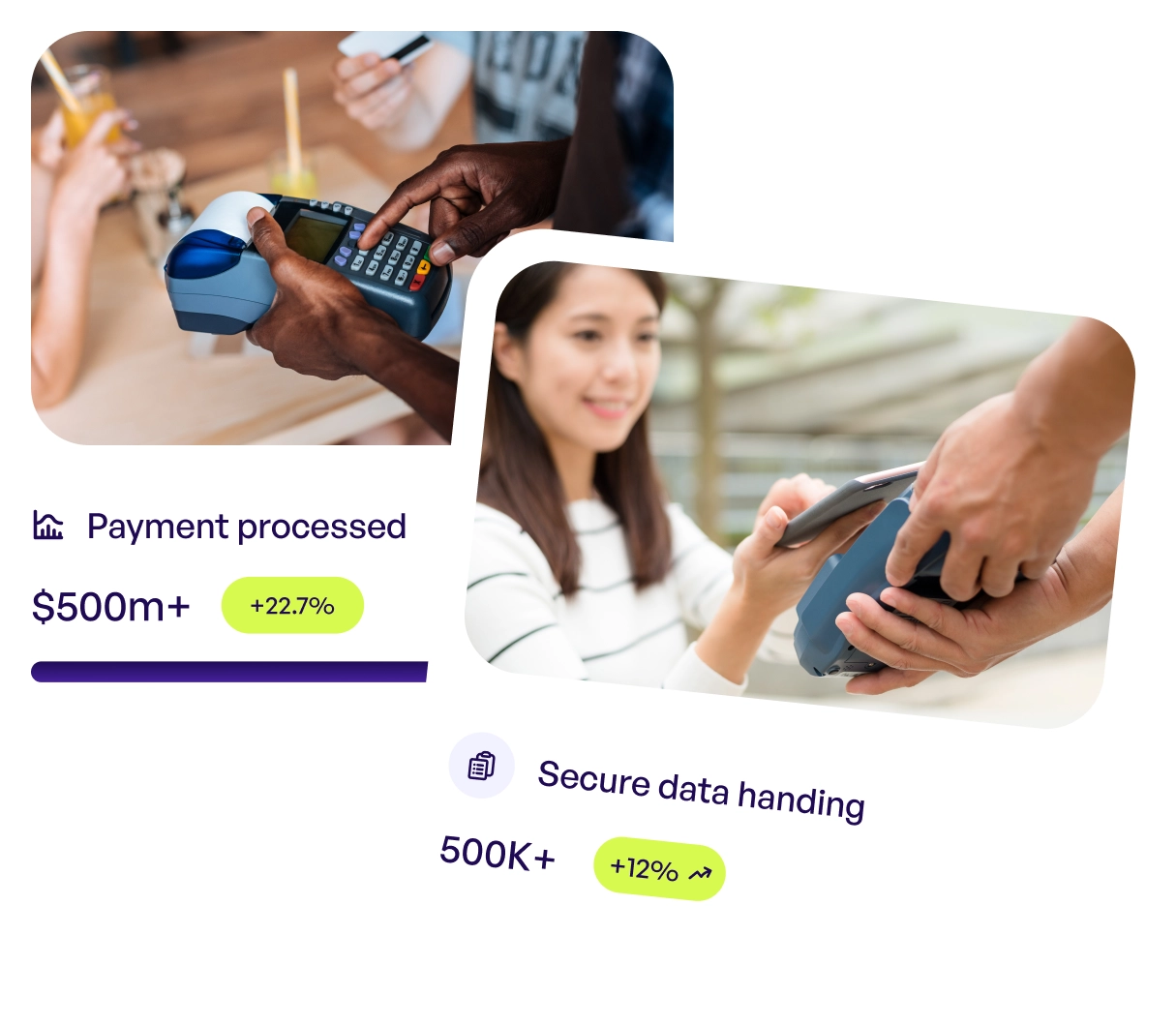
48h
Average approval
98%
Approval rate
40+
Acquiring banks
$2B+
Processed yearly

Apply for a merchant account

Free underwriting review. No application fee.

Phone number
SSL encrypted. No credit pull. Soft underwriting review only.
Industries we underwrite

Everything 2Accept handles for alcohol merchants

Alcohol merchants evaluate processors on product scope (wine, beer, spirits, RTD cocktails, cocktail kits), TTB federal basic permit and state ABC licensing support, the state-by-state direct-to-consumer shipping legality matrix (Granholm v. Heald 2005 opened DTC wine, but five states — Utah, Mississippi, Alabama, Kentucky, and Arkansas — fully prohibit DTC alcohol shipments), 21+ age-verification at checkout with adult-signature confirmation at delivery (UPS adult-signature or FedEx adult-signature; USPS is prohibited from shipping alcohol entirely), state excise tax and ship-to-state geo-blocking for restricted destinations, three-tier system overlap for B2B wholesale, and chargeback defense across subscription wine-of-the-month and whiskey-of-the-month billing. 2Accept's alcohol underwriting desk covers each dimension below and approves the configurations listed here without aggregator-style freezes or sudden MID terminations.

Alcohol Products We Process

Alcohol product categories covered by 2Accept

2Accept underwrites the full alcohol e-commerce and wholesale product spectrum — direct-to-consumer wine from licensed wineries shipping under state DTC permits, craft beer from breweries with subscription club fulfillment, online spirits retail (whiskey, bourbon, rye, tequila, mezcal, gin, vodka, rum, brandy, cognac, liqueurs), boutique and limited-edition releases, ready-to-drink (RTD) cocktails and canned cocktails, hard seltzer, cider, mead, sake, premium and luxury bottle bundles, gift baskets pairing wine or spirits with non-alcoholic accompaniments, cocktail kits combining spirits with mixers and barware, and B2B wholesale alcohol inventory supplied to retail tobacconists, restaurants, hotels, and licensed retailers under three-tier system rules. Wine and beer subscription clubs and online spirits retail map primarily to MCC 5921 (package stores — beer, wine, and liquor), with MCC 5813 (drinking places — bars, lounges, taverns, nightclubs) available for hybrid operators running an on-premise venue alongside an e-commerce arm, and MCC 5169 (chemicals and allied products) available for certain wholesale spirits and bulk alcohol distribution configurations.


Product positioning, TTB Certificate of Label Approval (COLA) compliance status, state-level brand registration in every ship-to state, ABC licensing posture, three-tier-system role (producer, wholesaler, or retailer), and the evolving state-by-state DTC shipping legality matrix are reviewed during onboarding. Each SKU is checked for COLA-compliant labeling, alcohol-content disclosure, government health warning placement, and required 21+ age-restriction warnings before the underwriter submits to the acquiring bank.

Apply for a Alcohol Products We Process MID

Approved Alcohol Product Categories

  • Direct-to-Consumer Wine (Licensed Wineries)MCC 5921 (DTC permit per state)
  • Craft Beer & Brewery SubscriptionsMCC 5921 (state DTC where legal)
  • Online Spirits (Whiskey, Tequila, Gin, Vodka)MCC 5921 (retailer license required)
  • RTD Cocktails, Hard Seltzer, Cider, MeadMCC 5921
  • Cocktail Kits & Alcohol Gifting BundlesMCC 5921 / 5947
  • B2B Alcohol Wholesale (Three-Tier System)MCC 5921 / 5169
Alcohol Business Models

Alcohol business models we underwrite

Alcohol operates across distinct e-commerce and wholesale channels — direct-to-consumer wineries shipping under state DTC wine permits enabled by the 2005 Granholm v. Heald Supreme Court decision, craft breweries running subscription beer clubs in DTC-beer-legal states, online spirits retailers operating under retailer licenses with state-by-state shipping approvals, alcohol subscription clubs (wine-of-the-month, whiskey-of-the-month, bourbon-of-the-month, craft-beer-of-the-month) billing on tokenized vault rebill, B2B alcohol wholesalers supplying retail liquor stores, restaurants, hotels, and on-premise venues under three-tier system rules, alcohol gifting platforms pairing wine or spirits with curated accompaniments, cocktail-kit subscription brands combining spirits with mixers and barware, and wine-and-cheese or wine-and-charcuterie subscription operators bundling alcohol with prepared food. 2Accept structures MIDs to match each channel's billing cadence, three-tier system role, and state-by-state shipping eligibility.

Hybrid operators running a winery tasting room with on-premise card-present POS alongside a DTC e-commerce shipping arm typically operate two MIDs — a card-present tasting-room MID and a card-not-present DTC MID — under one master underwriting relationship, with subscription wine-of-the-month or whiskey-of-the-month billing layered on the e-commerce MID through tokenized vault storage and Account Updater. B2B alcohol wholesalers operate under MCC 5921 or MCC 5169 depending on volume and counterparty mix, with ACH and check funding common alongside card acceptance for retailer accounts. This page covers alcohol e-commerce, DTC shipping, and wholesale — brick-and-mortar liquor store retail is underwritten on a separate dedicated page.

Apply for a Alcohol Business Models MID

Approved Business Configurations

  • DTC Winery E-commerceDomestic MID (state DTC permits)
  • Craft Brewery Subscription ClubMCC 5921 (tokenized rebill)
  • Online Spirits RetailerMCC 5921 (state-by-state shipping)
  • Wine / Whiskey-of-the-Month SubscriptionTokenized vault rebill
  • B2B Alcohol WholesaleMCC 5921 / 5169 (three-tier)
  • Cocktail-Kit & Gifting SubscriptionMCC 5921 / 5947 (rebill supported)
TTB, State ABC & DTC Shipping Stack

TTB federal permit, state ABC licensing, and DTC shipping legality compliance for alcohol

The Alcohol and Tobacco Tax and Trade Bureau (TTB) — the U.S. Treasury Department agency that regulates alcohol at the federal level — requires every alcohol producer, importer, and wholesaler to hold a Federal Basic Permit under the Federal Alcohol Administration (FAA) Act, file Certificate of Label Approval (COLA) submissions for every alcohol product label and formulation, remit federal excise tax on every gallon produced or imported, and maintain bonded warehouse records. On top of federal TTB compliance, every U.S. state operates its own Alcoholic Beverage Commission (ABC) or equivalent regulatory body that issues state-level winery, brewery, distillery, wholesaler, and retailer licenses — and every state writes its own direct-to-consumer shipping rules. The 2005 Supreme Court decision Granholm v. Heald struck down state laws that allowed in-state wineries to ship DTC while prohibiting out-of-state wineries from doing the same, opening DTC wine shipping in 47 states under reciprocal or permit-based frameworks. DTC beer shipping is legal in roughly 11 states, and DTC spirits shipping remains the most restricted with only 8 states permitting it as of 2026. Five states — Utah, Mississippi, Alabama, Kentucky, and Arkansas — fully prohibit DTC alcohol shipping across all categories.

2Accept's alcohol underwriting desk audits your TTB Federal Basic Permit, state ABC licensing roster, state-by-state DTC shipping permits for every ship-to state in your fulfillment footprint, brand registration filings with each state's ABC, three-tier-system role and counterparty documentation if you operate as a wholesaler, age-verification stack (IDology, Veratad, AgeChecker.net, Bluecheck, or equivalent with verifiable audit logs at checkout), shipping-carrier workflow (UPS adult-signature or FedEx adult-signature confirmation requiring 21+ recipient ID at the doorstep — USPS is prohibited from shipping alcohol to consumers under any circumstance), and your ship-to-state geo-blocking configuration that prevents the platform from accepting orders bound for the five DTC-prohibited states. Missing or weak DTC compliance — particularly accepting orders bound for restricted states — is the most common cause of first-pass rejection on alcohol applications.

Apply for a TTB, State ABC & DTC Shipping Stack MID

Compliance Frameworks Covered

  • TTB Federal Basic PermitRequired (producers / wholesalers / importers)
  • State ABC Licensing (per state)Required where applicable
  • State DTC Shipping PermitsPer ship-to state (47 states for wine)
  • 21+ Age-Verification at CheckoutRequired
  • Adult-Signature Delivery (UPS / FedEx)Required (no USPS)
  • Geo-Block 5 Prohibited States (UT, MS, AL, KY, AR)Enforced at checkout
Shipping, Excise, Tax & Subscription Billing

Shipping workflow, state excise tax handling, and subscription rebill for alcohol

Alcohol e-commerce requires a tightly integrated shipping workflow — 21+ age-gate on add-to-cart, secondary age-verification at checkout against a third-party ID service (IDology, Veratad, AgeChecker.net), adult-signature confirmation on delivery (the recipient must be 21+ and produce ID at the doorstep), ship-to state geo-blocking that prevents orders bound for the five DTC-prohibited states (Utah, Mississippi, Alabama, Kentucky, Arkansas) from being placed at checkout, SKU-level state restrictions for categories not permitted in a particular state (e.g., DTC spirits where only DTC wine is legal), state excise tax calculation per gallon plus state-by-state sales tax, and monthly state DTC reporting on volumes, customer addresses, and excise remittance. USPS is prohibited from shipping alcohol to consumers under any circumstance — every shipment must move via UPS adult-signature, FedEx adult-signature, or a regional carrier with equivalent verification. 2Accept MIDs integrate with the major alcohol-friendly shipping and compliance platforms (ShipCompliant by Sovos, ShipStation, ShipWise, EasyPost) and pass state and excise tax data through to your accounting and DTC-reporting stack.

Alcohol subscription billing — wine-of-the-month, whiskey-of-the-month, bourbon-of-the-month, craft-beer-of-the-month, cocktail-kit-of-the-month — layers tokenized vault storage and Account Updater on the e-commerce MID so monthly alcohol shipments don't fail when a customer's card expires mid-subscription, which is critical for premium subscription clubs selling $50–$300 monthly alcohol selections where dunning failures translate directly to lost membership lifetime value. Billing descriptor optimization (matching the descriptor to the customer-facing wine club or whiskey club brand) reduces "I don't recognize this charge" disputes by roughly 25–35% on monthly alcohol rebills.

Apply for a Shipping, Excise, Tax & Subscription Billing MID

Supported Payment & Workflow Capabilities

  • ShipCompliant / ShipStation IntegrationNative
  • 21+ Age-Verification (IDology, Veratad)Required at checkout
  • Wine / Whiskey-of-the-Month Subscription RebillTokenized vault + Account Updater
  • State Excise Tax & DTC ReportingPer-state data passthrough
  • Multi-Currency (offshore alcohol)USD, EUR, GBP, CAD
  • 3DS 2.0 AuthenticationStandard on all CNP
Alcohol E-commerce Platform Integrations

Platform gateway integrations for alcohol merchants

Most alcohol e-commerce runs on WooCommerce or Magento because Shopify Payments prohibits alcohol DTC outright and Shopify itself restricts most alcohol storefronts in its acceptable-use policy (though Shopify accepts alcohol storefronts that connect to an approved third-party processor). 2Accept ships native alcohol-friendly plugins for WooCommerce and Magento 2, plus REST API and hosted payment page integration for custom DTC winery and craft brewery storefronts. Specialty alcohol e-commerce and DTC compliance platforms — WineDirect (now Commerce7), Vin65, Commerce7 itself, eCellar, AMS (Advanced Management Systems), and Drinks.com-style catalog plugins — integrate through gateway connections to Authorize.net, NMI, or USAePay.

For DTC wineries running tasting-room sales alongside e-commerce, card-present integration runs on Clover Station, PAX A920, Verifone V200c, Square Terminal (replaced with a compliant third-party gateway for the DTC arm), or specialty winery POS stacks like Commerce7 Tasting Room or WineDirect POS. Subscription wine club, whiskey club, and craft-beer club billing pairs with Recharge, Bold Subscriptions, native gateway tokenization, or Commerce7's built-in club rebill engine.

Apply for a Alcohol E-commerce Platform Integrations MID

Native Integration Support

  • WooCommerce (alcohol-friendly plugin)Native
  • Magento 2Native plugin
  • Commerce7 / WineDirect / Vin65Gateway integration
  • Custom REST APIFull developer docs
  • Hosted Payment Page (iframe)PCI-DSS managed
  • Authorize.net / NMI / USAePayDirect gateway
Alcohol Chargeback Defense

Risk defense for alcohol chargeback exposure

Alcohol chargeback ratios cluster around "product not received" (adult-signature delivery delays where the carrier can't reach a 21+ recipient on the first attempt and the package returns to the warehouse), "not as described" disputes on wine quality or vintage variation complaints, friendly fraud on high-ticket boutique wine and limited-edition spirits releases, subscription cancellation disputes on wine-of-the-month and whiskey-of-the-month clubs where customers forget to cancel before the next monthly charge, and state-shipping-violation disputes where the customer's bank reverses the charge after the shipment was flagged at a state border. 2Accept's stack includes Ethoca and Verifi alerts catching disputes pre-post, 3DS 2.0 to shift fraud liability on card-not-present alcohol transactions, fraud scoring for high-velocity order patterns common on limited-edition spirits drops and allocated wine releases, and representment with adult-signature shipping-proof evidence packages and 21+ age-verification audit logs.

For high-volume alcohol merchants — particularly subscription-driven wine-of-the-month and whiskey-of-the-month operators and large DTC winery e-commerce brands — multi-MID cascading distributes volume across 2–5 accounts so no single MID exceeds Visa's VDMP threshold (0.9%) or Mastercard's ECM threshold (1.5%). Subscription billing descriptor optimization (matching the descriptor to the customer-facing wine club or whiskey club brand name) reduces "I don't recognize this charge" disputes by roughly 25–35% on monthly alcohol rebills.

Apply for a Alcohol Chargeback Defense MID

Risk Chargeback Tools Included

  • Ethoca AlertsIncluded (Mid/Top tier)
  • Verifi CDRN AlertsIncluded (Mid/Top tier)
  • Shipping-Proof RepresentmentAdult-signature evidence packages
  • 3DS 2.0 AuthenticationStandard on all CNP
  • Kount / Sift Fraud ScoringOptional integration
  • Multi-MID CascadingSupported (2–5 MIDs)
Pricing Tiers

High risk processing rates, published up front

Every high risk merchant account is priced by risk tier. Your vertical, volume, and chargeback ratio determine which tier underwrites you. Rates are average and may vary depending on individual circumstances and risk profile. Interchange may be passed to merchants for more challenging approvals

Low-Tier High Risk
2.89%
+ $0.20

Subscription · SaaS · Coaching · Digital

  • Domestic U.S. MID
  • Next-day funding
  • 0–10% rolling reserve
  • Free gateway integration
  • Account updater included
Apply
Most Approved
Mid-Tier High Risk
3.49%
+$0.25

CBD · Peptides · Telehealth · Vape · Dating · Travel

  • Domestic or offshore MID
  • Chargeback alerts (Ethoca + Verifi)
  • 0-10% rolling reserve
  • Dedicated underwriter
  • MATCH-list considered
  • Multi-MID load balancing
Apply
Top-Tier High Risk
4.95%
+$0.30

Adult · Firearms · Crypto · Gaming

  • Offshore acquiring
  • AEP / MSB registration support
  • 0-10% rolling reserve
  • 3DS 2.0 authentication
  • Descriptor optimization
  • Cascading across 3+ MIDs
Apply
How It Works

From application to live processing in 4 steps

01

Apply Online

Complete the 4-minute application. No credit pull, no application fee, no long-term contract.

02

Meet Your Underwriter

A 2Accept underwriter reviews your business model, volume, and documents within 1 business hour.

03

Go Live in 48 Hours

Sign your MPA, receive your MID, and integrate via gateway API, hosted checkout, or Shopify.

04

Scale Safely

Grow with chargeback alerts, fraud scoring, and multi-MID load balancing as your volume scales.

2Accept vs Aggregators

Why a dedicated MID beats Stripe, Square, and PayPal

Aggregators pool thousands of merchants under one master account. When any single MCC trips a threshold, entire verticals get frozen. A dedicated MID from 2Accept belongs to your business alone.

Feature 2ACCEPTStripeSquarePayPal
CBD / Hemp approved
Vape / E-cig approved
Firearms / Ammo approved
Dedicated MID (not aggregator)
MATCH-list merchants considered
Human underwriter (not chatbot)
Multi-MID load balancing
Risk Management

Keep your MID alive with built-in chargeback defense

Every 2Accept high risk merchant account includes the monitoring and mitigation stack required to stay under Visa's 1.0% chargeback threshold.

Chargeback Alerts

Ethoca and Verifi CDRN integrations catch disputes before they post, letting you refund pre-chargeback and protect your ratio.

Fraud Scoring

Kount, Sift, and NoFraud rules block velocity attacks, BIN testing, and stolen-card fraud in real time at authorization.

3DS 2.0 Authentication

3D Secure shifts liability to the issuer on authenticated transactions, eliminating fraud-based chargebacks on compliant checkouts.

Representment

Our dispute team files compelling evidence packages against friendly fraud and product-not-received disputes, recovering revenue within 45 days.

Multi-MID Load Balancing

Split volume across 2–5 MIDs via our cascading gateway to stay under per-MID caps and maintain chargeback ratios on every account.

Descriptor Optimization

Dynamic billing descriptors matched to your brand lower “I don't recognize this charge” disputes by 40%+.

Real businesses, real approvals

What merchants say

“After Stripe terminated us for selling CBD gummies, 2Accept had us live in 48 hours on a domestic MID. Zero freezes in 18 months.”

SL

Sarah L. Founder, 

CBD E-commerce Brand

“I tried four processors for my FFL store. 2Accept was the only one that understood MCC 5999 and got my ammo transactions approved.”

MR

Michael R. , 

Owner, Firearms Retailer

“Our subscription box was flagged by Square for 'high chargeback volume.' 2Accept's Ethoca alerts dropped our ratio to 0.3% in one month.”

MR

Michael R. , 

Firearms Retailer

What It Is

What is an alcohol merchant account?

An alcohol merchant account is a specialized payment processing account that acquiring banks issue to DTC wineries, craft breweries with subscription clubs, online spirits retailers, wine-of-the-month and whiskey-of-the-month subscription operators, B2B alcohol wholesalers, alcohol gifting platforms, cocktail-kit subscription brands, and wine-and-cheese or wine-and-charcuterie subscription operators, designed to handle the layered regulatory compliance (TTB Federal Basic Permit, state ABC licensing, state-by-state DTC shipping legality, three-tier system overlap for wholesale, 21+ age-verification, adult-signature delivery, state excise tax) and chargeback exposure that aggregators like Stripe, Square, and PayPal will not underwrite for any wine, beer, spirits, or alcohol product.

The account permits card-not-present DTC shipping and card-present tasting-room transactions for wine, craft beer, spirits, ready-to-drink cocktails, hard seltzer, cider, mead, sake, alcohol gift baskets, and cocktail kits, and it operates under tailored underwriting that includes 21+ age-verification API integration, adult-signature shipping verification through UPS or FedEx (USPS is prohibited from shipping alcohol to consumers entirely), ship-to-state geo-blocking for the five DTC-prohibited states (Utah, Mississippi, Alabama, Kentucky, Arkansas), rolling reserves, and discount rates between 3.10% and 4.50%.

2Accept underwrites a comprehensive spectrum of alcohol e-commerce and wholesale operations. For direct-to-consumer fulfillment, this covers licensed wineries shipping under state DTC permits, craft breweries running subscription clubs, and online spirits retailers selling everything from whiskey and tequila to brandy and liqueurs. Their scope also includes specialty items such as boutique releases, ready-to-drink (RTD) canned cocktails, hard seltzers, cider, mead, and sake.

Beyond individual sales, the platform supports bundled offerings like luxury bottle sets, gift baskets paired with non-alcoholic goods, and cocktail kits complete with mixers and barware. On the B2B side, 2Accept underwrites wholesale alcohol inventory supplied to hotels, restaurants, retail tobacconists, and other licensed retailers operating within three-tier system rules.

These operations map to several primary Merchant Category Codes (MCCs). Online spirits sales and wine or beer subscription clubs are generally categorized under MCC 5921 for package stores. Hybrid businesses that combine a physical venue with an e-commerce shop can utilize MCC 5813 for drinking places. Lastly, MCC 5169 is available for specific wholesale spirits setups and bulk alcohol distribution.

Acquirers weigh whether your platform enforces a verifiable 21+ age-gate at add-to-cart and again at checkout against a third-party ID service, whether your shipping carrier supports adult-signature delivery to a 21+ recipient, whether your TTB Federal Basic Permit and state ABC licenses are current and on file, whether your state-by-state DTC shipping permit roster matches your fulfillment footprint, and whether your storefront enforces ship-to-state geo-blocking that prevents orders bound for the five DTC-prohibited states. Opening an alcohol merchant account differs from opening a standard low-risk account in three ways. First, underwriting takes 48 to 72 hours rather than instant approval, because the acquirer reviews TTB Federal Basic Permits, state ABC licensing, state-by-state DTC shipping permits, brand registration filings, 21+ age-verification API integration, adult-signature shipping workflow, ship-to-state geo-blocking configuration, three-tier-system documentation if applicable, subscription wine-of-the-month or whiskey-of-the-month billing structure if applicable, and processing history. Second, pricing typically ranges from 3.10% to 4.50% rather than the 2.6%–2.9% flat rate aggregators offer, because the acquirer absorbs additional dispute exposure on alcohol products, monthly subscription rebill cancellation risk, and the layered state-by-state compliance monitoring burden. Third, the account issues a dedicated MID that belongs exclusively to your alcohol business, so processing cannot be terminated for serving the alcohol vertical the MID was approved to serve — provided your TTB and state ABC documentation remain current and your 21+ age-verification and adult-signature shipping workflow stay active. 2Accept underwrites alcohol merchant accounts for DTC wineries shipping direct-to-consumer under state DTC wine permits, craft breweries running subscription beer clubs in DTC-beer-legal states, online spirits retailers operating under state-by-state retailer licenses, wine subscription clubs (wine-of-the-month, sommelier-curated allocated wine, natural wine, orange wine), whiskey-of-the-month and bourbon-of-the-month clubs, B2B alcohol wholesalers supplying restaurants, hotels, and licensed retailers under three-tier system rules, alcohol gifting platforms pairing wine or spirits with curated accompaniments, cocktail-kit subscription brands combining spirits with mixers and barware, and wine-and-cheese or wine-and-charcuterie subscription operators bundling alcohol with prepared food across the United States. Applications are reviewed by a dedicated alcohol underwriter within one business hour, approved in 48 to 72 hours, and integrated through WooCommerce, Magento, Commerce7, WineDirect, custom REST API, or Clover/PAX/Verifone POS hardware for card-present tasting-room and taproom retail with winery-tier inventory tracking. Brick-and-mortar liquor store retail is underwritten on a separate dedicated page.

Common types of alcohol merchants we underwrite

  Acquirers segment alcohol merchants by what they sell, how they ship, what regulatory framework applies, three-tier-system role, and whether billing is one-time or subscription. The alcohol verticals 2Accept underwrites most often are:
  • B2B alcohol wholesalers —  — MCC 5921 / 5169 within the three-tier system, supplies restaurants, hotels, on-premise venues, and licensed retailers with card, ACH, and check funding mixed in the settlement book
  • Wine-of-the-month and whiskey-of-the-month subscription clubs —  — MCC 5921 with tokenized vault rebill, ships curated monthly selections at $50–$300 per shipment with Account Updater handling expired-card replacement
  • DTC winery e-commerce —  — MCC 5921, ships wine direct-to-consumer under state DTC wine permits enabled by Granholm v. Heald (2005), with TTB Federal Basic Permit and brand registration filings in every ship-to state
  • Alcohol gifting platforms —  — MCC 5921 / 5947, pairs wine, spirits, or champagne with curated accompaniments for occasion-driven gift orders with adult-signature recipient verification
  • Craft brewery subscription clubs —  — MCC 5921, runs monthly craft-beer-of-the-month rebill in the roughly 11 states that permit DTC beer shipping, with adult-signature UPS or FedEx delivery to 21+ recipients
  • Cocktail-kit subscription brands —  — MCC 5921, combines spirits with mixers, garnishes, and barware in monthly recipe-driven kits with tokenized vault rebill
  • Wine-and-cheese / wine-and-charcuterie subscription operators —  — MCC 5921 / 5499, bundles wine with prepared food shipments under perishable-shipping logistics and adult-signature carrier workflow
  • Online spirits retailers —  — MCC 5921, operates under state-by-state retailer licenses with shipping permits only in the 8 states that permit DTC spirits, blocking restricted destinations at checkout

Advantages of an alcohol-specific merchant account

  A dedicated alcohol merchant account gives you advantages no aggregator can match, because the account is underwritten by an acquirer that explicitly approves DTC wine, craft beer subscription, online spirits retail, and B2B alcohol wholesale under the TTB, state ABC, and three-tier system regulatory framework:
  • Higher monthly volume caps —  — $500K+ on domestic alcohol accounts versus the $25K aggregator ceiling that triggers automatic review and freeze on any wine, beer, or spirits charge
  • TTB and state ABC-compliant workflow support —  — acquirer accepts TTB Federal Basic Permit documentation, state-by-state DTC shipping permits, 21+ age-verification API integration, adult-signature UPS or FedEx shipping, and ship-to-state geo-blocking for the five DTC-prohibited states
  • Wine-of-the-month and whiskey-of-the-month subscription rebill —  — tokenized vault and Account Updater for monthly alcohol subscription clubs so $50–$300 monthly rebills don't fail on expired cards
  • Multi-currency settlement —  on offshore alcohol MIDs for premium wine, single-malt scotch, and rare spirits brands shipping internationally to EU, UK, Canada, and APAC markets where legally permitted
  • State-by-state DTC shipping legality matrix support —  — underwriting accommodates the 47-state DTC wine framework, 11-state DTC beer framework, and 8-state DTC spirits framework with per-state permit verification
  • Chargeback alert services —  (Ethoca + Verifi CDRN) included in Mid and Top tier alcohol plans, critical for subscription cancellation disputes on wine-of-the-month and whiskey-of-the-month MIDs
  • Dedicated MID for alcohol sales —  — belongs to your business alone, not shared in an aggregator pool that gets frozen on any single compliance flag from another merchant
  • Three-tier-system overlap support —  — B2B alcohol wholesale MIDs accommodate producer-to-wholesaler-to-retailer counterparty rules with appropriate MCC structure (5921 or 5169)
  • No sudden terminations —  for selling DTC wine, craft beer subscriptions, online spirits, cocktail kits, or any alcohol product the MID was approved to process
  • Human alcohol underwriters —  — understand TTB Federal Basic Permits, state ABC licensing, state-by-state DTC shipping permits, Granholm v. Heald framework, three-tier system rules, COLA labeling, and 21+ adult-signature shipping workflow; not chatbots or ticket queues

How to qualify for an alcohol merchant account

  Qualifying for an alcohol merchant account requires meeting documentation, entity, compliance, and operational requirements that the acquirer reviews during underwriting. Standard qualification criteria include:
  • Live alcohol e-commerce website with 21+ age-gate —  — working checkout, Terms, Privacy, Refund, Contact pages, plus enforced 21+ age-verification at add-to-cart and again at checkout against a third-party ID service with persistent session enforcement
  • TTB Federal Basic Permit —  — required for producers, importers, and wholesalers; current and on file with the U.S. Treasury Department
  • Personal guarantee —  from the principal for new alcohol merchants or sub-650 credit applicants
  • State ABC licensing roster —  — current state-level winery, brewery, distillery, wholesaler, or retailer license for every state where you operate
  • Business bank account —  in the legal entity's name for alcohol settlement
  • Adult-signature shipping carrier —  — UPS adult-signature or FedEx adult-signature confirmation; USPS is prohibited from shipping alcohol to consumers under any circumstance
  • Registered legal entity —  — LLC, Corporation, or DBA with valid EIN
  • Three months of bank statements —  showing consistent alcohol revenue
  • Certificate of Label Approval (COLA) records —  — for each alcohol SKU sold under your TTB-permitted brands
  • State DTC shipping permits —  — current per-state DTC shipping permits for every ship-to state in your fulfillment footprint, with brand registration filings where required
  • 21+ age-verification API integration —  — IDology, Veratad, AgeChecker.net, Bluecheck, or equivalent with verifiable audit logs at each transaction
  • Chargeback ratio under 1.5% —  on prior alcohol processing history
  • Ship-to-state geo-blocking —  — configured to prevent the platform from accepting orders bound for Utah, Mississippi, Alabama, Kentucky, and Arkansas (the five DTC-prohibited states)
  • Three-tier-system counterparty documentation —  — required for B2B alcohol wholesalers operating between producers, wholesalers, and retailers
  • Three months of processing statements —  if previously processing alcohol transactions on another MID or aggregator

Strategies for managing an alcohol merchant account

  Keeping an alcohol merchant account active long-term requires active risk management because state DTC shipping legality shifts state-by-state (states open and close DTC frameworks legislatively each session), state excise tax rates and reporting frequencies update annually, the five DTC-prohibited states (Utah, Mississippi, Alabama, Kentucky, Arkansas) periodically reconsider their bans, TTB enforcement on COLA labeling and brand registration tightens unpredictably, three-tier-system enforcement for B2B wholesale evolves with each state's ABC posture, and Visa's VDMP threshold (0.9%) and Mastercard's ECM threshold (1.5%) trigger fines and termination above either limit. The strategies that protect an alcohol MID are:
  • Maintain TTB Federal Basic Permit and COLA filings current —  — lapsed TTB documentation or expired COLAs on active SKUs triggers immediate MID review and possible suspension; new label submissions must be filed before any reformulated or rebranded SKU ships
  • Monitor state DTC shipping legality changes —  — states periodically open or close DTC frameworks legislatively; subscribe to ShipCompliant or Sovos alerts to update ship-to-state geo-blocking and brand registration as state rules change
  • Audit ship-to-state geo-blocking quarterly —  — confirm Utah, Mississippi, Alabama, Kentucky, and Arkansas remain blocked at checkout, and update any state where DTC legality has shifted, with full ShipCompliant or Sovos rule-set refresh
  • Document delivery —  with UPS or FedEx tracking and adult-signature confirmation showing 21+ recipient ID verification on every alcohol shipment
  • Enable AVS and CVV verification —  on every alcohol transaction and decline mismatched cards — fraud-card use is elevated on allocated boutique wine, limited-edition single-malt scotch, and rare bourbon releases
  • File representment with shipping proof —  — adult-signature delivery confirmation plus 21+ age-verification audit logs win friendly fraud cases at roughly 55%+ for 2Accept-managed alcohol disputes
  • Run 3D Secure 2.0 —  on all card-not-present alcohol transactions to shift fraud liability to the issuer on allocated boutique wine releases, limited-edition spirits drops, and high-ticket case orders
  • Track chargeback reason codes monthly —  and address the top three sources (subscription cancellation on monthly wine club rebills, product-not-received from adult-signature shipping delays, not-as-described on wine vintage variation or spirits quality) before they trigger ECM enrollment
  • Maintain state ABC licensing and DTC permits current —  in every state where you operate or ship — lapsed state DTC permit coverage triggers state-level enforcement and MID review
  • Optimize the billing descriptor —  — match it to the customer-facing winery, brewery, distillery, or wine-of-the-month club brand to reduce "I don't recognize this charge" disputes on monthly alcohol rebills (descriptor optimization typically reduces these disputes by 25–35%)
  • Distribute alcohol volume across multiple MIDs —  via cascading gateway logic to stay under per-MID chargeback ratios — particularly useful for subscription operators where cancellation-dispute spikes are clustered around the monthly rebill cycle
  • Refund before chargeback —  — resolve disputes within 24 hours of an Ethoca or Verifi alert so they never post against your alcohol ratio, particularly on wine-of-the-month and whiskey-of-the-month subscription cancellations
  • Enforce 21+ age-verification at every step —  — add-to-cart, checkout against a third-party ID service, and again at delivery via adult-signature carrier confirmation requiring 21+ recipient ID at the doorstep
Payment processing
Frequently Asked Questions

Questions merchants ask before applying

Do I sign a long-term contract on an alcohol merchant account?

No. 2Accept alcohol agreements do not include early termination fees or multi-year lock-in. You may close the alcohol account with 30 days written notice. The acquirer retains the rolling reserve for 180 days post-closure to cover any lingering alcohol chargebacks.

Do I need an existing alcohol business to apply?

Yes. Acquirers require a registered legal entity (LLC, Corp, or DBA), an EIN, a business bank account in the legal entity's name, and a live alcohol e-commerce website with enforced 21+ age-verification and a TTB/state ABC-compliant shipping workflow — or, for B2B wholesalers, a licensed wholesaler operation with three-tier-system counterparty documentation. Startup wineries, breweries, distilleries, and online spirits retailers under 6 months old qualify at mid-tier rates with a personal guarantee and a 90-day rolling reserve that typically drops after clean processing history.

Can I apply for an alcohol MID if I'm based outside the United States?

Yes. 2Accept onboards both U.S.-based and non-U.S. alcohol merchants. Non-U.S. alcohol brands (particularly European wineries, single-malt Scotch distilleries, French champagne houses, Italian wine producers, and Latin American mezcal and tequila producers) are placed with offshore acquirers in the U.K., EU, Caribbean, or APAC with multi-currency settlement in USD, EUR, GBP, and CAD. U.S. alcohol fulfillment from a non-U.S. brand requires a U.S. importer of record holding a TTB Federal Basic Permit.

How do I integrate my alcohol gateway after approval?

After approval, 2Accept provides credentials for Authorize.net, NMI, USAePay, or a native 2Accept gateway. Alcohol integrations support WooCommerce (alcohol-friendly plugin), Magento 2, Commerce7, WineDirect (now Commerce7), Vin65, eCellar, custom REST API, hosted payment page iframe, and Clover/PAX/Verifone POS hardware for card-present tasting-room and taproom retail. Subscription wine club and whiskey club billing pairs with Recharge, Bold Subscriptions, native gateway tokenization, or Commerce7's built-in club rebill engine. Our integration team provides free developer support during go-live.

Can I apply with bad personal credit for an alcohol account?

Yes. Personal credit below 600 does not automatically disqualify an alcohol merchant. Acquirers weigh alcohol business volume, chargeback ratio, TTB Federal Basic Permit and state ABC licensing posture, state-by-state DTC shipping permit coverage, 21+ age-verification rigor, and adult-signature shipping carrier workflow more heavily than personal FICO. A personal guarantee is typically required on sub-600 credit applications, and the acquirer may add a small rolling reserve increase.

Can I apply if Stripe, Square, or PayPal terminated my alcohol account?

Yes. 2Accept specifically underwrites alcohol merchants terminated by Stripe, Square, PayPal, or other aggregators. Full disclosure of the termination reason is required, along with a remediation plan addressing whatever caused the termination — chargeback ratio, 21+ age-verification gaps, USPS shipping in the workflow, ship-to-state geo-blocking failures, missing state DTC permits, lapsed TTB Federal Basic Permit, or simply being in a prohibited MCC under the aggregator's acceptable-use policy. MATCH-listed alcohol merchants are placed on offshore acquirers.

Is there an application fee for an alcohol merchant account?

No. 2Accept does not charge an application fee, underwriting fee, or setup fee on alcohol accounts. You only pay transaction fees once your alcohol MID goes live and starts processing. There is no fee to be reviewed, and there is no fee if you are declined.

What documents do I need to apply for an alcohol merchant account?

An alcohol application typically requires your EIN, Articles of Incorporation, voided check for settlement, 3 months of business bank statements, 3 months of processing statements (if applicable), government-issued ID for the signer, a live URL with working checkout and enforced 21+ age-verification, TTB Federal Basic Permit (for producers, importers, and wholesalers), state ABC licensing roster covering every state where you operate, state-by-state DTC shipping permits for every ship-to state in your fulfillment footprint, brand registration filings with each state's ABC where required, 21+ age-verification API integration evidence (IDology, Veratad, AgeChecker.net, Bluecheck), adult-signature shipping carrier workflow documentation (UPS or FedEx — USPS is prohibited), ship-to-state geo-blocking configuration screenshots showing the five DTC-prohibited states (Utah, Mississippi, Alabama, Kentucky, Arkansas) blocked at checkout, three-tier-system counterparty documentation if you operate as a wholesaler, and Certificate of Label Approval (COLA) records for each alcohol SKU. Wine-of-the-month and whiskey-of-the-month subscription operators additionally provide subscription billing structure documentation and cancellation flow screenshots.

Are there any hidden fees on alcohol accounts?

No. 2Accept publishes a flat monthly statement with your discount rate, per-transaction fee, monthly gateway fee, and chargeback fee only. There are no PCI non-compliance surcharges, no early termination fees, no monthly minimums on most alcohol MIDs, and no junk-fee line items.

Can my alcohol rate decrease over time?

Yes. After 6 months of clean alcohol processing (chargeback ratio under 0.5%, consistent volume, current TTB Federal Basic Permit, current state ABC licensing, current state DTC shipping permits, and active 21+ age-verification audit logs), 2Accept can submit a rate review request to the acquirer. Successful alcohol rate reviews reduce the discount rate by 0.25%–0.75%, with subscription wine-of-the-month and whiskey-of-the-month operators seeing the largest reductions once dunning-cycle dispute volume drops below 0.5%.

What is the chargeback fee on an alcohol account?

Chargeback fees on 2Accept alcohol merchant accounts range from $15 to $40 per dispute depending on the account configuration, risk profile, and acquirer. The fee applies whether you win or lose the representment. Ethoca and Verifi alerts prevent disputes from becoming chargebacks.

When does my alcohol MID fund?

Domestic U.S. alcohol merchant accounts receive next-day funding via ACH for all batches submitted before 8:00 PM ET. Offshore alcohol acquiring accounts fund on a weekly or bi-weekly schedule (T+3 to T+7). Tasting-room and taproom card-present batches close at end-of-business-day and fund next morning on domestic MIDs.

Do alcohol merchants need a rolling reserve?

Most alcohol merchant accounts often carry a 0%–10% rolling reserve held for 180 days to soften the elevated dispute exposure on allocated wine releases, limited-edition spirits drops, and subscription wine-of-the-month or whiskey-of-the-month billing. Established DTC wineries, craft breweries, and online spirits retailers with clean processing history and current TTB/state ABC/state DTC permit documentation can qualify for zero-reserve domestic accounts. New alcohol merchants, subscription-heavy operators, and online spirits retailers operating in the 8-state DTC spirits framework typically sit toward the 10% end. Reserve percentages can be renegotiated downward after 6 months of clean alcohol processing.

Is there a monthly minimum on an alcohol MID?

Not always. 2Accept does require monthly minimum alcohol processing volume in circumstances where the approval is laborious or the account would operate at a loss when volume is low or zero. You will always pay transaction fees only on the volume you process. Some acquirers on top-tier alcohol verticals (particularly subscription-heavy wine-of-the-month and whiskey-of-the-month clubs) may set a $25K monthly minimum to maintain the MID.

What rates should I expect on an alcohol merchant account?

Alcohol rates start at 3.25% for DTC wineries and craft brewery subscription operators with clean TTB and state ABC compliance and consistent monthly volume. Online spirits retailers and wine-of-the-month subscription MIDs typically run 3.45%–3.95% to absorb the elevated state-by-state shipping complexity and cancellation-dispute exposure inherent to monthly rebill structures. B2B alcohol wholesalers operating under MCC 5921 or MCC 5169 within the three-tier system may price slightly lower (3.10%–3.45%) on the card-present and ACH-heavy portions of the book. Tasting-room and taproom card-present POS prices lower (card-present disputes are structurally smaller). Your final rate depends on volume, average ticket, chargeback ratio, product mix (wine vs. beer vs. spirits vs. cocktail kits vs. RTD), billing cadence (one-time vs. wine-of-the-month subscription), state-by-state shipping footprint complexity, and channel split (card-present vs. card-not-present).

What is interchange and does 2Accept pass it through on alcohol?

Interchange is the wholesale fee that Visa, Mastercard, and Discover charge the acquiring bank for every transaction, typically 1.5%–2.5% depending on card type. 2Accept offers both flat-rate pricing (discount rate includes interchange) and interchange-plus pricing (interchange passed through plus a fixed 0.5%–1.5% markup) for alcohol merchants processing above $100K monthly. DTC wineries, craft brewery subscription clubs, and high-volume wine-of-the-month or whiskey-of-the-month operators are most commonly priced interchange-plus.

Can I ship alcohol direct-to-consumer in all 50 states?

No — and your MID configuration must reflect this. The 2005 Supreme Court decision Granholm v. Heald opened DTC wine shipping in 47 states under reciprocal or permit-based frameworks. DTC beer shipping is legal in roughly 11 states. DTC spirits shipping is legal in only 8 states as of 2026. Five states fully prohibit DTC alcohol shipping across all categories: Utah, Mississippi, Alabama, Kentucky, and Arkansas. Your checkout must enforce ship-to-state geo-blocking for the five prohibited states and SKU-level state restrictions for categories not permitted in a given ship-to state (e.g., blocking DTC spirits to a wine-only DTC state). ShipCompliant by Sovos and similar compliance services maintain real-time state DTC rule sets.

Can I process wine-of-the-month, whiskey-of-the-month, and bourbon-of-the-month subscription billing?

Yes. Wine-of-the-month, whiskey-of-the-month, bourbon-of-the-month, and craft-beer-of-the-month subscription clubs qualify for a dedicated subscription MID with tokenized vault storage, Account Updater for expired-card replacement, cascading retry logic for declined monthly rebills, and billing descriptor optimization (matching the descriptor to the customer-facing wine club or whiskey club brand) to reduce "I don't recognize this charge" disputes on monthly rebills. Subscription MIDs typically price slightly higher (3.45%–3.95%) to absorb cancellation-dispute exposure inherent to monthly rebill structures.

Do you underwrite DTC wineries and craft brewery subscription clubs?

Yes. 2Accept specifically underwrites DTC wineries shipping under state DTC wine permits enabled by the 2005 Granholm v. Heald Supreme Court decision and craft breweries running subscription beer clubs in the roughly 11 states that permit DTC beer shipping. DTC winery MIDs are configured for state-by-state shipping permit verification, 21+ age-verification at checkout, adult-signature UPS or FedEx delivery, and ship-to-state geo-blocking for the five DTC-prohibited states (Utah, Mississippi, Alabama, Kentucky, Arkansas). Craft brewery subscription clubs receive tokenized vault rebill structures with Account Updater for monthly beer-of-the-month billing.

Do you support B2B alcohol wholesale under the three-tier system?

Yes. B2B alcohol wholesalers operating between producers, wholesalers, and licensed retailers within each state's three-tier system framework qualify for MCC 5921 or MCC 5169 MIDs with card, ACH, and check funding mixed in the settlement book. Counterparty documentation showing the buyer's state ABC retailer or on-premise license is required, and three-tier-system overlap rules vary by state (most states prohibit producers from selling directly to retailers, requiring an intermediate licensed wholesaler tier).

Can I sell high-ticket allocated wine, single-malt scotch, and limited-edition spirits releases?

Yes. High-ticket alcohol merchants (allocated boutique cabernet and burgundy bottles, single-malt Scotch limited releases, rare bourbon allocations, vintage champagne, and case-volume orders) are underwritten with appropriate structures. Tickets above $2,500 trigger additional AVS, CVV, and 3DS authentication but do not disqualify the alcohol account. Subscription wine-of-the-month tiers ranging from $50 to $300 per monthly shipment process under the standard subscription configuration.

Do you approve cocktail-kit subscription, wine-and-cheese, and alcohol gifting platforms?

Yes. Cocktail-kit subscription brands combining spirits with mixers and barware, wine-and-cheese or wine-and-charcuterie subscription operators bundling alcohol with prepared food, and alcohol gifting platforms pairing wine, spirits, or champagne with curated accompaniments process under MCC 5921 or MCC 5947 with the same TTB, state ABC, state DTC shipping permit, and 21+ adult-signature shipping framework. Perishable-food shipping logistics for wine-and-cheese subscribers require carrier integration with cold-chain workflow alongside adult-signature delivery.

Do you work with offshore alcohol merchants?

Yes. 2Accept holds acquirer relationships with banks in the United States, United Kingdom, European Union, Caribbean, and APAC regions that approve alcohol retail and DTC shipping. Non-U.S. alcohol operators — particularly European wineries, French champagne houses, Italian wine producers, single-malt Scotch distilleries, and Latin American tequila and mezcal producers — open accounts with multi-currency settlement in USD, EUR, GBP, CAD, AUD, and JPY. U.S. fulfillment from non-U.S. brands requires a U.S. importer of record holding a TTB Federal Basic Permit.

What qualifies an alcohol business as high risk?

An alcohol business is classified high-risk because MCC 5921 (package stores — beer, wine, and liquor) sits on the restricted MCC list, because the TTB imposes federal permitting, COLA labeling approval, excise tax remittance, and bonded warehouse obligations, because every U.S. state operates its own ABC regulatory body with its own winery, brewery, distillery, wholesaler, and retailer licensing rules, because the state-by-state DTC shipping legality matrix is among the most complex in U.S. commerce (47 states permit DTC wine, 11 permit DTC beer, 8 permit DTC spirits, and 5 states fully prohibit all DTC alcohol shipping), because the three-tier system constrains B2B counterparty rules, and because chargeback exposure on allocated wine releases, limited-edition spirits drops, and monthly subscription rebills runs structurally higher than mainstream e-commerce.

How long does it take to get an alcohol MID approved?

Most alcohol merchant accounts are approved in 48 to 72 hours after complete documentation is received. DTC wineries with current TTB Federal Basic Permits, state ABC licensing, and state DTC shipping permits approve in 48 hours. Craft brewery subscription clubs approve in 48-72 hours pending state-by-state DTC beer permit verification. Online spirits retailers approve in 3–5 business days due to the more restrictive 8-state DTC spirits framework requiring per-state retailer license verification. Complex alcohol verticals (multi-state B2B wholesale under the three-tier system, multi-brand DTC operators with extensive state permit rosters, alcohol importers with TTB Federal Basic Permit applications in progress) may require 3–7 business days due to TTB verification, state ABC license confirmation across multiple states, brand registration audit, and additional bank vetting.

What happens if my alcohol application is denied?

If a primary acquirer denies your alcohol application, 2Accept automatically reshops it to secondary and offshore alcohol-friendly banks within our network without requiring you to resubmit. If all placements decline, you receive a written explanation and a remediation roadmap specific to alcohol underwriting — typically focused on missing state DTC shipping permits, 21+ age-verification gaps, ship-to-state geo-blocking failures, lapsed TTB Federal Basic Permit, or expired state ABC licenses that can be remediated before re-application.

Do you pull my personal credit on an alcohol application?

A soft credit inquiry is run during alcohol underwriting for personal guarantee verification. Soft pulls do not affect your FICO score and do not appear on your credit report to other lenders. Hard credit pulls can be used in some cases depending on the particular acquirer's requirements.

What increases my chance of alcohol approval?

Clean alcohol processing history (under 0.5% chargeback ratio), six or more months of bank statements showing consistent alcohol revenue, a live and fully functional alcohol e-commerce website with enforced 21+ age-verification, current TTB Federal Basic Permit, current state ABC licensing for every state where you operate, current state DTC shipping permits for every ship-to state, adult-signature UPS or FedEx shipping confirmation in the workflow (no USPS), enforced ship-to-state geo-blocking for the five DTC-prohibited states, proper MCC-matched product listings, and a dedicated settlement bank account all strengthen approval. Personal credit above 650, entity formation over 12 months old, three-tier-system counterparty documentation if you are a wholesaler, and prior alcohol processing history also help but are in no way required.

What's your alcohol approval rate?

98% of alcohol merchants who complete a full application with all required documentation (TTB Federal Basic Permit, state ABC licensing roster, state-by-state DTC shipping permits for every ship-to state, brand registration filings where required, 21+ age-verification API integration evidence, adult-signature shipping carrier workflow, ship-to-state geo-blocking configuration for the five DTC-prohibited states, and three-tier-system counterparty documentation for wholesalers) get approved. The 2% rejection rate is driven by OFAC sanctions matches, active bankruptcy proceedings that cannot be mitigated with reserves, unlicensed state alcohol operations, TTB warning letter history, or the applicant being on the card brand's internal alcohol fraud watchlist.

Can I be approved for alcohol processing without prior alcohol processing history?

Yes. New alcohol businesses without prior processing can be considered at mid-tier pricing with a 0–10% rolling reserve and personal guarantee. Projected alcohol volume, TTB Federal Basic Permit status, state ABC licensing coverage, state-by-state DTC shipping permit roster, 21+ age-verification readiness, adult-signature shipping carrier workflow, business plan, principal experience, and tasting-room or e-commerce infrastructure substitute for processing history. The reserve drops after 90 days of clean alcohol processing.

Can I get alcohol processing if I'm on the MATCH list?

Yes. 2Accept can consider MATCH-listed alcohol applicants. Full disclosure of the termination reason code and a remediation plan are required, particularly for terminations driven by ship-to-state geo-blocking failures (shipping to one of the five prohibited DTC states), 21+ age-verification lapses, USPS shipping in the prior workflow, lapsed state DTC permits, or missing TTB Federal Basic Permit — all of which can be remediated before re-underwriting.

What causes a first-pass rejection on an alcohol application?

First-pass alcohol rejections usually result from missing or invalid TTB Federal Basic Permit, lapsed state ABC licensing in any operating state, missing state DTC shipping permits for ship-to states in your fulfillment footprint, weak or absent 21+ age-verification at checkout, USPS in the shipping workflow (USPS prohibits alcohol shipments to consumers entirely), ship-to-state geo-blocking failures (accepting orders to Utah, Mississippi, Alabama, Kentucky, or Arkansas), a website lacking required compliance pages or 21+ age-gate, inconsistent bank and tax records, MCC-to-product mismatch, a disclosed chargeback ratio above 1.5%, TTB warning letter history, or the applicant's domain appearing on the Global Merchant Violations List. 2Accept's alcohol underwriter catches most of these before submission to prevent rejections.

Does 3D Secure 2.0 eliminate fraud chargebacks on alcohol sales?

3DS 2.0 shifts liability for fraud-based chargebacks (reason codes 10.4, 83) from the merchant to the issuing bank on authenticated alcohol transactions. It does not eliminate friendly fraud, product-not-received from adult-signature delivery delays, subscription cancellation disputes, or "not as described" disputes on wine vintage variation or spirits quality — all common on alcohol MIDs. Implementing 3DS typically reduces total alcohol chargebacks by 30%–50% and saves $4–$8 per transaction in fraud losses on high-ticket allocated wine and rare spirits releases.

What is the difference between Ethoca and Verifi for alcohol?

Verifi CDRN is owned by Visa and covers Visa issuers. Ethoca is owned by Mastercard and covers Mastercard plus Amex, Discover, and some Visa issuers. Using both networks together covers roughly 90% of U.S. card-issuing banks — important on alcohol MIDs where dispute volume on allocated wine releases, limited-edition spirits drops, and subscription rebill cycles is elevated.

Can I fight friendly fraud chargebacks on alcohol sales?

Yes. 2Accept's representment team files compelling evidence packages on alcohol disputes (adult-signature delivery confirmation showing 21+ recipient ID verification, 21+ age-verification audit logs from IDology or AgeChecker.net, IP logs, AVS and CVV match, customer email confirmations, signed Terms of Service acceptance, and for subscription disputes the full opt-in flow and cancellation policy screenshots) to win friendly fraud cases at roughly 55%+ for 2Accept-managed alcohol disputes.

What is an Excessive Chargeback Merchant (ECM) and how does it affect alcohol MIDs?

An Excessive Chargeback Merchant is a Mastercard designation applied when a merchant exceeds 100 chargebacks in a month AND a 1.5% chargeback ratio for two consecutive months. ECM enrollment imposes escalating fines ($5,000–$25,000 monthly), mandatory chargeback reduction plans, and a path to permanent MATCH listing if the alcohol ratio is not remediated within 6 months. Wine-of-the-month and whiskey-of-the-month subscription operators with concentrated monthly rebill volumes are at elevated ECM risk during dunning-cycle dispute spikes.

How do chargeback alerts work on alcohol transactions?

Ethoca Alerts and Verifi CDRN forward dispute intents from issuing banks before they post as chargebacks. On alcohol transactions you receive the alert within 24–72 hours of the customer's bank contact, issue a refund inside the alert window, and the chargeback never counts against your alcohol MID's ratio. This is particularly valuable for wine-of-the-month and whiskey-of-the-month subscription operators where a single dunning-batch dispute spike could push the MID over VDMP threshold.

What counts as a chargeback vs a refund on an alcohol sale?

A refund is initiated by the merchant and returns funds to the alcohol customer without a dispute entry. A chargeback is initiated by the customer through their issuing bank, carries a reason code (10.1–13.9 for Visa), counts against the VDMP/ECM ratio, and imposes a $15–$40 chargeback fee regardless of outcome. Refund-before-chargeback is the core prevention strategy on alcohol MIDs, particularly for wine-of-the-month and whiskey-of-the-month subscription operators handling monthly cancellation requests inside the Ethoca alert window.

How long does representment take on an alcohol chargeback?

A Visa representment cycle on alcohol disputes resolves in 45–60 days: merchant submits evidence (30 days), issuer reviews (30 days), and the final case status posts in the merchant portal. Mastercard cycles run 45 days. Amex resolves in 20 days. Winning representments recover both the alcohol transaction amount and the chargeback fee.

What chargeback ratio will get my alcohol account closed?

Visa's VDMP threshold is 0.9% chargebacks-to-transactions; Mastercard's ECM threshold is 1.5%. Crossing either triggers Early Warning monitoring on your alcohol MID. Staying over for 4+ months leads to enrollment in VAMP, ECM, or VFMP, additional fines of $25,000–$200,000, and possible alcohol MID termination with MATCH listing. Subscription wine-of-the-month and whiskey-of-the-month MIDs are particularly sensitive to cancellation-dispute spikes around the monthly rebill cycle.

Can I use Shopify Payments for my alcohol storefront?

No. Shopify Payments is powered by Stripe and prohibits wine, beer, spirits, and all alcohol products in its acceptable-use policy. Shopify itself accepts some alcohol storefronts that connect to an approved third-party processor, but most alcohol e-commerce runs on WooCommerce, Magento, Commerce7, or WineDirect (now Commerce7) instead. 2Accept integrates with all of these natively, and offers hosted payment page iframes for custom premium-wine and spirits storefronts that need to retain a branded checkout experience.

What about BitPay or Coinbase Commerce for alcohol?

BitPay and Coinbase Commerce process cryptocurrency payments (BTC, ETH, USDC) only — they do not accept Visa, Mastercard, or Amex on alcohol sales. They are complementary to, not a replacement for, an alcohol merchant account. 2Accept alcohol customers who want to accept both cards AND crypto integrate a card MID from 2Accept alongside BitPay or Coinbase in the same checkout — common on premium wine, rare bourbon, and single-malt Scotch e-commerce serving international high-net-worth buyers.

Can I run two processors at once for alcohol redundancy?

Yes. Running a primary and backup alcohol processor (or multi-MID load balancing across 2–5 alcohol accounts) is standard risk practice for high-volume DTC wineries, craft brewery subscription clubs, and online spirits retailers. 2Accept builds multi-MID structures into Mid-Tier and Top-Tier alcohol plans by default. Hybrid tasting-room-and-e-commerce operators typically run separate card-present and card-not-present MIDs from day one.

Do you integrate with WooCommerce, Magento, Commerce7, or WineDirect for alcohol stores?

Yes. 2Accept offers native alcohol-friendly plugins for WooCommerce, Magento 2, PrestaShop, and OpenCart. Specialty winery and alcohol e-commerce platforms (Commerce7, WineDirect, Vin65, eCellar, AMS) integrate through gateway connections to Authorize.net, NMI, or USAePay. Custom premium-wine and spirits platforms integrate through REST API, hosted payment page iframe, or direct gateway connection. Integration support is free for the lifetime of the alcohol account.

How is 2Accept different from PaymentCloud, Durango, or Soar Payments for alcohol?

PaymentCloud, Durango, and Soar are ISOs/MSPs similar to 2Accept, but they operate primarily as resellers with variable pricing and don't specialize in alcohol-specific TTB compliance, state ABC licensing coordination, state-by-state DTC shipping permit verification, or three-tier-system wholesaler underwriting. 2Accept publishes flat-tier pricing upfront (3.25% DTC wine and craft beer subscription, 3.45%–3.95% online spirits and subscription wine-of-the-month, 3.10%–3.45% B2B wholesale), includes chargeback alerts in standard plans, provides dedicated alcohol underwriters who understand TTB Federal Basic Permits, state ABC licensing, the Granholm v. Heald state-by-state DTC framework, 21+ age-verification API integration, adult-signature shipping workflow, ship-to-state geo-blocking for the five DTC-prohibited states, three-tier-system rules, COLA labeling, and Commerce7/WineDirect winery e-commerce stacks, and offers guaranteed 48-72 hour approvals on standard alcohol verticals.

How does 2Accept compare to Stripe or Square for alcohol?

Stripe, Square, and PayPal are payment aggregators that pool thousands of merchants under one master MID and prohibit wine, beer, spirits, and every alcohol SKU outright in their acceptable-use policies. Even alcohol accounts they initially approve get frozen the moment compliance flags trigger. 2Accept issues a dedicated alcohol MID from an acquirer that explicitly approves DTC wine, craft beer subscription, online spirits retail, and B2B alcohol wholesale under the TTB, state ABC, state DTC shipping permit, and three-tier system regulatory framework, so the account cannot be shut down for doing the alcohol business it was approved to serve unless laws, regulations, or card brand rules change.

Can I keep my current gateway and just switch alcohol processors?

Yes. If you currently use Authorize.net, NMI, USAePay, or any compatible gateway for your alcohol checkout, 2Accept switches only the acquiring bank behind it. Your alcohol checkout, customer vaulting, subscription wine-of-the-month or whiskey-of-the-month tokens, and recurring billing schedules remain in place with no customer-visible change and no re-integration work — critical for subscription operators whose monthly rebill cadence cannot be interrupted.

What about Authorize.net or NMI for alcohol e-commerce?

Authorize.net and NMI are payment gateways, not merchant accounts. A gateway transmits alcohol card data between your checkout and the acquirer but does not underwrite or settle alcohol funds. You still need an alcohol merchant account behind them. 2Accept provides both the merchant account and gateway credentials at once.

Ready to open your alcohol merchant account?

Underwriting review in 1 business hour. Full approval in 48.

No application fee
98% approval rate
Dedicated human underwriter
More verticals we underwrite

Adjacent industries 2Accept also approves

Alcohol merchants frequently extend into adjacent restricted-MCC categories as their catalog and operating footprint widen — DTC wineries open a brick-and-mortar tasting room or restaurant, craft breweries open a taproom that doubles as a bar venue, online spirits retailers expand into hospitality through hotel partnerships and event catering, and cigar and tobacco operators with humidor lounges layer beer and wine onto a liquor-licensed lounge. 2Accept underwrites these neighboring verticals under the same acquiring relationships, so an alcohol operator scaling into hospitality, lounge POS, or event-driven channels doesn't restart underwriting from scratch.


Many 2Accept alcohol operators run multiple MIDs as their catalog and footprint grow — a primary MCC 5921 MID for DTC wine or spirits e-commerce, a separate card-present MID for the tasting room or taproom, a dedicated subscription MID for wine-of-the-month or whiskey-of-the-month billing, and adjacent MIDs for hospitality verticals like hotel banquets, festival pop-ups, or catering. We structure these as separate accounts under one master underwriting relationship so chargeback ratios stay isolated per product line and a dispute spike on a subscription dunning batch doesn't threaten the tasting room's card-present book.

GET STARTED